The Critical Link Between NICU Equipment and Newborn Survival
Every year, approximately 2.4 million newborns die within their first 28 days of life. Many of these deaths are preventable. The quality, availability, and proper use of NICU equipments play a direct role in determining which vulnerable newborns survive their earliest and most fragile hours.
Neonatal intensive care has advanced dramatically over the past two decades. Premature infants born at 28 weeks now have survival rates exceeding 90% in well-equipped facilities. This progress is not accidental. It reflects deliberate, evidence-based investment in the right clinical tools, technologies, and protocols.
Healthcare administrators, procurement specialists, and clinical teams must understand one fundamental truth: equipment decisions are life-and-death decisions.

Key NICU Equipments That Directly Impact Clinical Outcomes
Not all medical devices carry equal weight in neonatal survival. Research consistently identifies several categories of NICU equipments as most critical to reducing mortality rates.
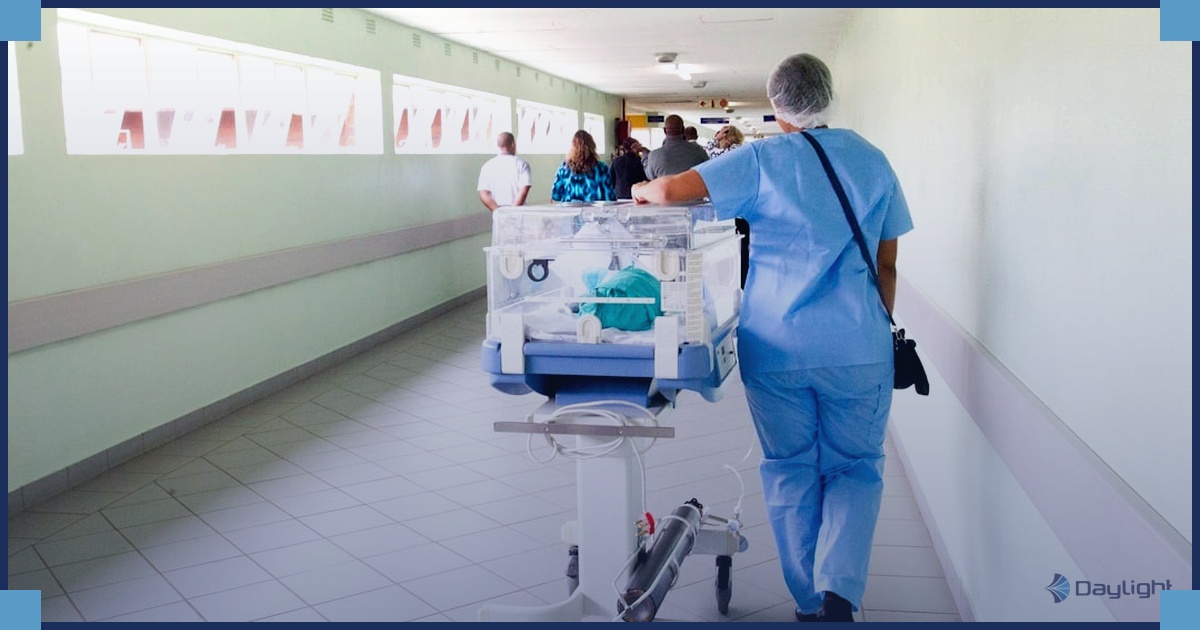
- Incubators and Radiant Warmers: Hypothermia remains a leading cause of neonatal death. High-quality incubators maintain stable temperature environments, reducing metabolic stress on underdeveloped organs. Facilities that upgraded to servo-controlled incubators reported up to a 30% reduction in cold-stress-related complications.
- Respiratory Support Systems: Respiratory distress syndrome affects the majority of premature infants. CPAP machines, high-frequency ventilators, and pulse oximeters form the backbone of respiratory clinical management. Choosing equipment with precise pressure control significantly reduces the risk of barotrauma and chronic lung disease.
- Phototherapy Units: Neonatal jaundice is common and potentially fatal if untreated. Modern LED-based phototherapy units deliver consistent, effective irradiance levels while minimizing heat exposure to fragile newborns.
- Patient Monitoring Systems: Continuous, real-time monitoring of heart rate, oxygen saturation, and respiratory patterns allows clinical teams to detect deterioration within seconds. Integrated monitoring systems that reduce alarm fatigue have been linked to faster intervention times.
- Infusion Pumps: Precise medication and nutrition delivery is non-negotiable in neonatal care. High-accuracy syringe and volumetric pumps prevent dangerous dosing errors, which represent one of the most common causes of preventable neonatal harm.

Understanding the ROI of Quality Neonatal Equipment
Healthcare decision-makers often face pressure to minimize costs. However, viewing NICU equipment through a pure cost-reduction lens can be dangerously shortsighted. The ROI of investing in superior neonatal technology extends far beyond financial metrics.
Consider the clinical ROI first. A single prevented death or disability averted represents an immeasurable human value. From a measurable standpoint, hospitals that invest in advanced NICU equipments consistently report shorter average lengths of stay, reduced complication rates, and lower rates of readmission. These outcomes directly reduce the total cost of care per patient.
The financial ROI is equally compelling. Studies show that facilities investing in upgraded monitoring and respiratory support systems reduced costs associated with prolonged ventilation by up to 25%. When a hospital prevents one case of severe bronchopulmonary dysplasia, it saves an estimated $150,000 or more in long-term care expenses.
Equipment reliability also matters. Devices with high uptime, ease of maintenance, and strong manufacturer support reduce downtime risk in critical clinical settings. Every hour a piece of essential NICU equipment is non-functional represents a direct patient safety risk.
Making Smarter Equipment Procurement Decisions
Hospitals and clinics aiming to reduce neonatal mortality should adopt a structured procurement approach. This means engaging clinical teams in equipment evaluation, prioritizing devices with strong evidence-based outcomes data, and partnering with suppliers who offer comprehensive clinical training and after-sales support.
Investing in staff training alongside equipment is equally essential. The most advanced incubator or ventilator delivers minimal benefit without skilled, confident clinical users. The best outcomes emerge when superior equipment meets well-trained, supported healthcare professionals.
The bottom line is clear: in neonatal care, the right equipment does not just improve clinical metrics. It saves lives.