Understanding the Role of Thermal Support in the NICU
Maintaining body temperature is one of the most critical challenges in neonatal care. Newborns — especially premature and low-birth-weight infants — cannot regulate their own body heat effectively. Without proper thermal support, they face serious risks including hypothermia, respiratory distress, and metabolic stress. Two essential NICU equipments address this challenge: infant warmers and incubators. While both devices protect newborns from heat loss, they serve different clinical purposes. Understanding when to use each one is a vital part of educational neonatal practice.

Infant Warmers: Open Access for Active Care
An infant warmer — also called a radiant warmer — is an open platform that delivers overhead radiant heat to the baby. Because the infant remains fully exposed, medical staff can access the newborn quickly and without barriers.
Infant warmers are most appropriate in the following situations:
- Delivery room stabilization: Immediately after birth, radiant warmers allow teams to dry, stimulate, and assess the baby while maintaining warmth.
- Resuscitation: Open access is essential when performing CPR, intubation, or umbilical line placement.
- Post-surgical care: Surgeons and nurses need unrestricted access to wounds and monitoring lines.
- Short-term observation: Infants who need frequent interventions benefit from the open design.
The main limitation of radiant warmers is increased insensible water loss. Because the baby is exposed to open air, fluid evaporation rises significantly — a concern for extremely premature infants who have very thin skin. Nursing staff must monitor hydration closely when using this equipment.

Incubators: A Controlled Microenvironment for Vulnerable Infants
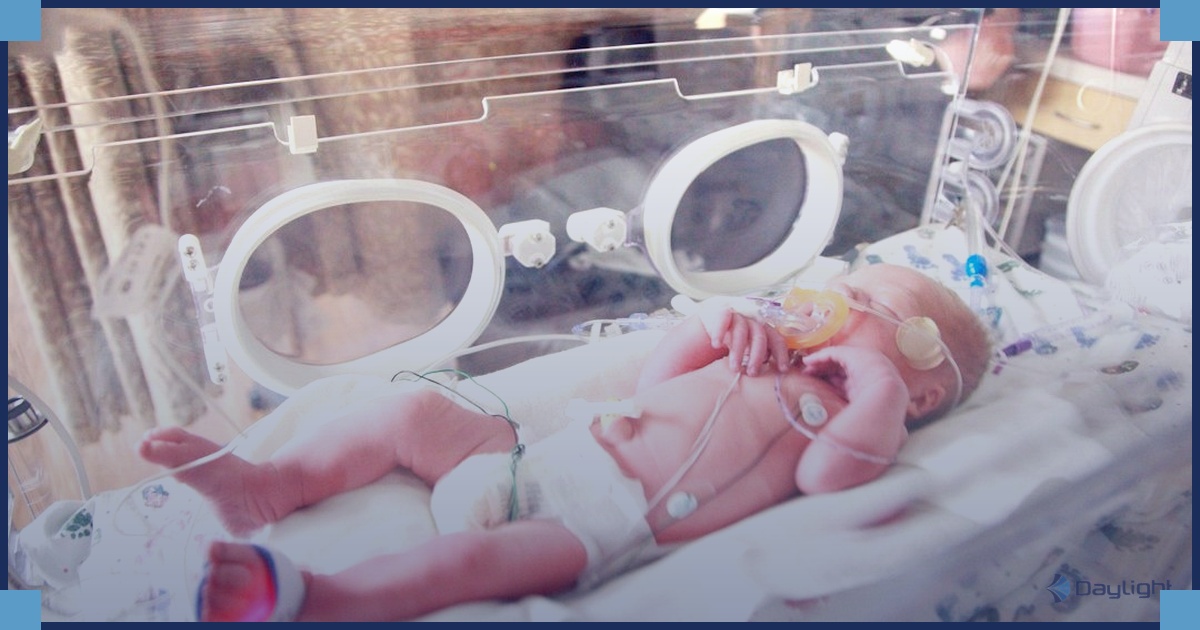
An incubator encloses the infant in a temperature- and humidity-controlled chamber. This closed environment mimics conditions closer to the womb, making it the preferred choice for the most fragile newborns.
Incubators are best suited for:
- Premature infants (especially below 32 weeks gestation): The enclosed space minimizes heat and fluid loss while protecting immature skin.
- Very low birth weight (VLBW) babies: These infants need stable, consistent warmth without environmental fluctuations.
- Long-term neonatal care: When a baby requires days or weeks of thermal support, an incubator provides a more sustainable environment.
- Infection control: The enclosed design reduces exposure to airborne pathogens and helps maintain a sterile microenvironment.
Modern incubators also allow humidity control, which dramatically reduces transepidermal water loss in micro-preemies. Many units include servo-controlled temperature settings that automatically adjust to maintain the infant's skin temperature within a target range. These features make incubators a cornerstone of educational programs in advanced neonatal nursing and neonatology training.
Key Differences at a Glance
- Access: Infant warmers offer full open access; incubators provide limited access through portholes.
- Humidity control: Incubators can regulate humidity; radiant warmers cannot.
- Water loss: Incubators reduce insensible water loss significantly compared to open warmers.
- Best use case: Warmers excel during acute interventions; incubators excel during ongoing supportive care.
- Infection risk: Incubators offer better protection against environmental pathogens.
Conclusion
Choosing between an infant warmer and an incubator depends on the clinical condition, gestational age, and immediate needs of each newborn. Radiant warmers are indispensable during resuscitation and procedures, while incubators provide the stable, protected environment that fragile preterm infants need for sustained recovery. Healthcare teams equipped with knowledge of these NICU equipments — and guided by an educational, evidence-based approach — are better prepared to give every newborn the best possible start in life.