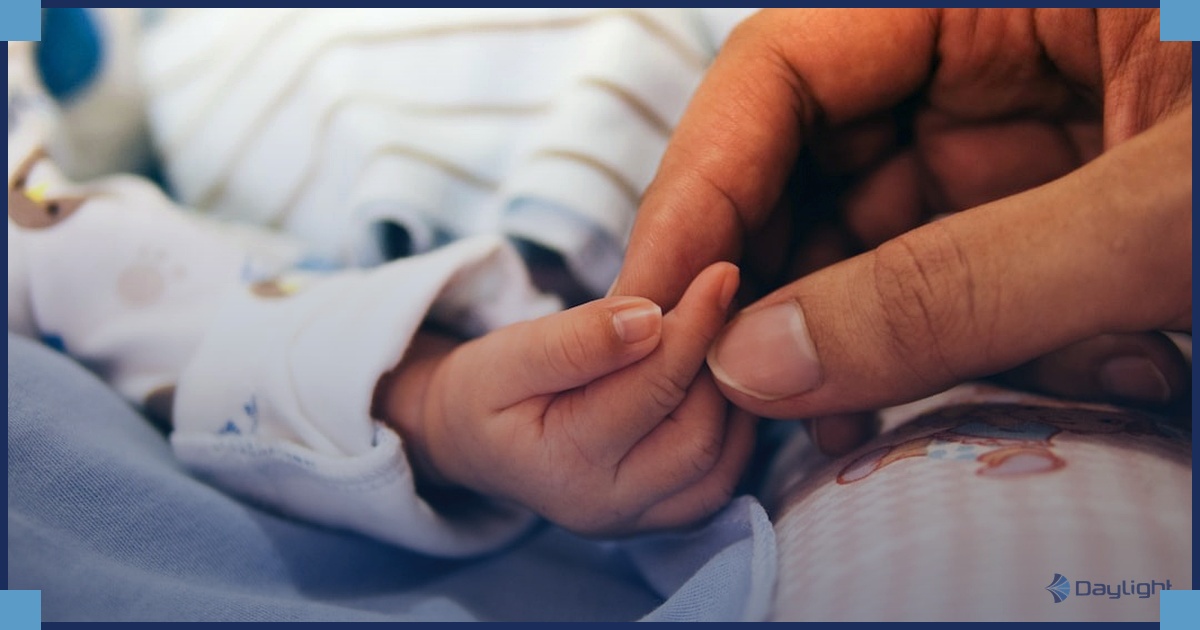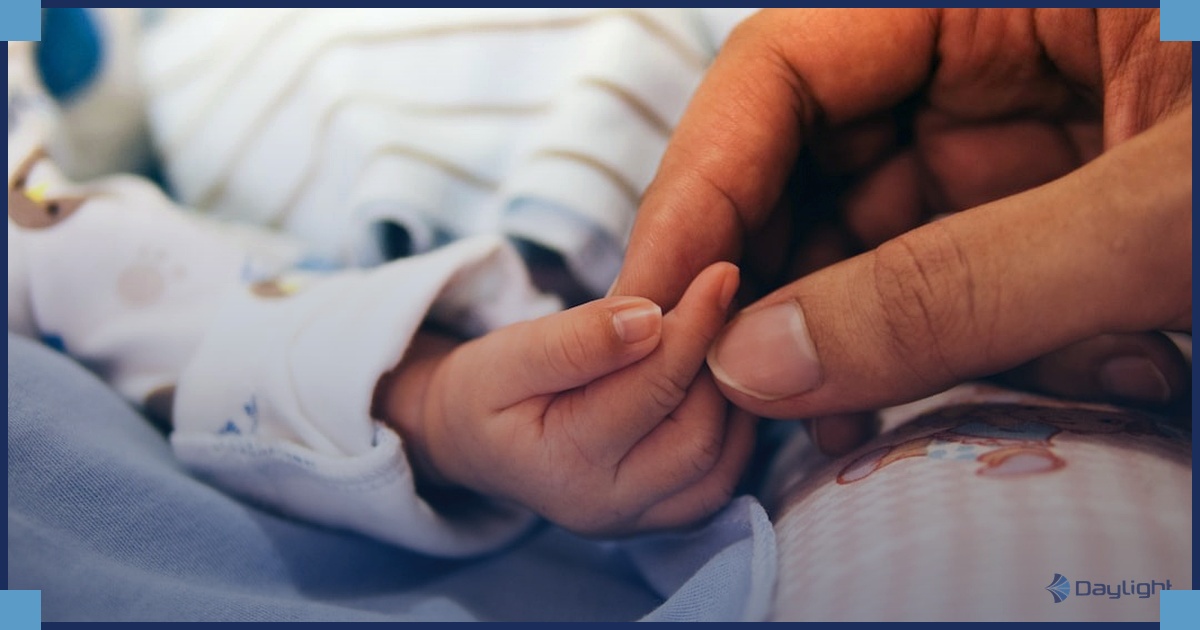
أساسيات الرضاعة والتغذية
الرضاعة الطبيعية هي أفضل غذاء للطفل الرضيع، وتوصي منظمة الصحة العالمية بالرضاعة الطبيعية الحصرية لأول ستة أشهر. في العراق، تعتبر الرضاعة الطبيعية جزءاً مهماً من تقاليدنا، وتحرص الأمهات العراقيات على توفير أفضل تغذية لأطفالهن.
إذا كانت الرضاعة الطبيعية غير ممكنة، فإن الحليب الصناعي عالي الجودة يوفر البديل المناسب. من المهم اختيار نوعية جيدة من الحليب الصناعي واتباع التعليمات بدقة في التحضير.
- إرضعي طفلك كل 2-3 ساعات أو عند الحاجة
- تأكدي من وضعية الرضاعة الصحيحة
- احرصي على نظافة الأيدي والأدوات
- راقبي علامات الشبع والجوع عند الطفل

النظافة والعناية اليومية
العناية بالنظافة أمر أساسي في رعاية الأطفال الرضع. في مناخ العراق الحار، تصبح النظافة أكثر أهمية لحماية الطفل من الالتهابات والطفح الجلدي.
حمام الطفل الرضيع يجب أن يكون لطيفاً ومريحاً. استخدمي الماء الفاتر وصابون الأطفال المخصص للبشرة الحساسة. بعد الحمام، جففي الطفل بلطف واستخدمي كريم مرطب مناسب.
- احرصي على تغيير الحفاضات بانتظام
- نظفي المنطقة الحساسة بلطف واتركيها تجف
- استخدمي كريم الحفاضات لمنع التسلخات
- حممي الطفل 2-3 مرات أسبوعياً في الأشهر الأولى
- نظفي الحبل السري يومياً حتى يسقط

النوم والراحة
النوم الصحي ضروري لنمو الطفل الرضيع. الأطفال حديثو الولادة ينامون 16-18 ساعة يومياً، موزعة على فترات قصيرة. من المهم خلق بيئة نوم آمنة ومريحة.
في العراق، قد نحتاج لاهتمام خاص بدرجة حرارة الغرفة، خاصة في فصل الصيف. استخدمي المكيف أو المروحة للحفاظ على جو معتدل، مع تجنب التيار المباشر على الطفل.
- ضعي الطفل على ظهره للنوم
- استخدمي فراشاً صلباً ونظيفاً
- تجنبي الوسائد والألعاب في سرير الطفل
- احرصي على درجة حرارة معتدلة في الغرفة
متى تراجعين الطبيب
من المهم معرفة متى نحتاج لاستشارة الطبيب. بعض العلامات تستدعي زيارة فورية للطبيب، والأمهات الجدد بحاجة لمعرفة هذه الإشارات.
- الحمى (درجة حرارة أعلى من 38 درجة)
- صعوبة في التنفس أو تغير لون الشفاه
- رفض الرضاعة لفترات طويلة
- البكاء المستمر دون توقف
- تغيرات غير طبيعية في لون البشرة
- قلة الحفاضات المبللة
أسئلتكم ومقترحاتكم
نحب نسمع تجاربكم ونصائحكم في رعاية الأطفال! شاركونا خبراتكم وأسئلتكم في التعليقات.
- شنو أكبر التحديات اللي واجهتوها مع طفلكم الرضيع؟
- شلون تتعاملون ويه بكاء الطفل الليلي؟
- أي نصائح تقدرون تشاركونها مع الأمهات الجدد؟