Home > Blog > Ventilator and Anesthesia Device: 10 Criteria for the Right Choice

Ventilator and Anesthesia Device: 10 Criteria for the Right Choice

📅 10.03.2026 ✍️ Daylight Medical health-tips
Ventilator and Anesthesia Device: 10 Criteria for the Right Choice

Selecting the right ventilator and anesthesia device is crucial for patient safety and optimal outcomes in intensive care settings. Healthcare facilities must carefully evaluate multiple factors to ensure they invest in equipment that meets their specific needs while maintaining the highest standards of patient care.

Critical Technical Specifications

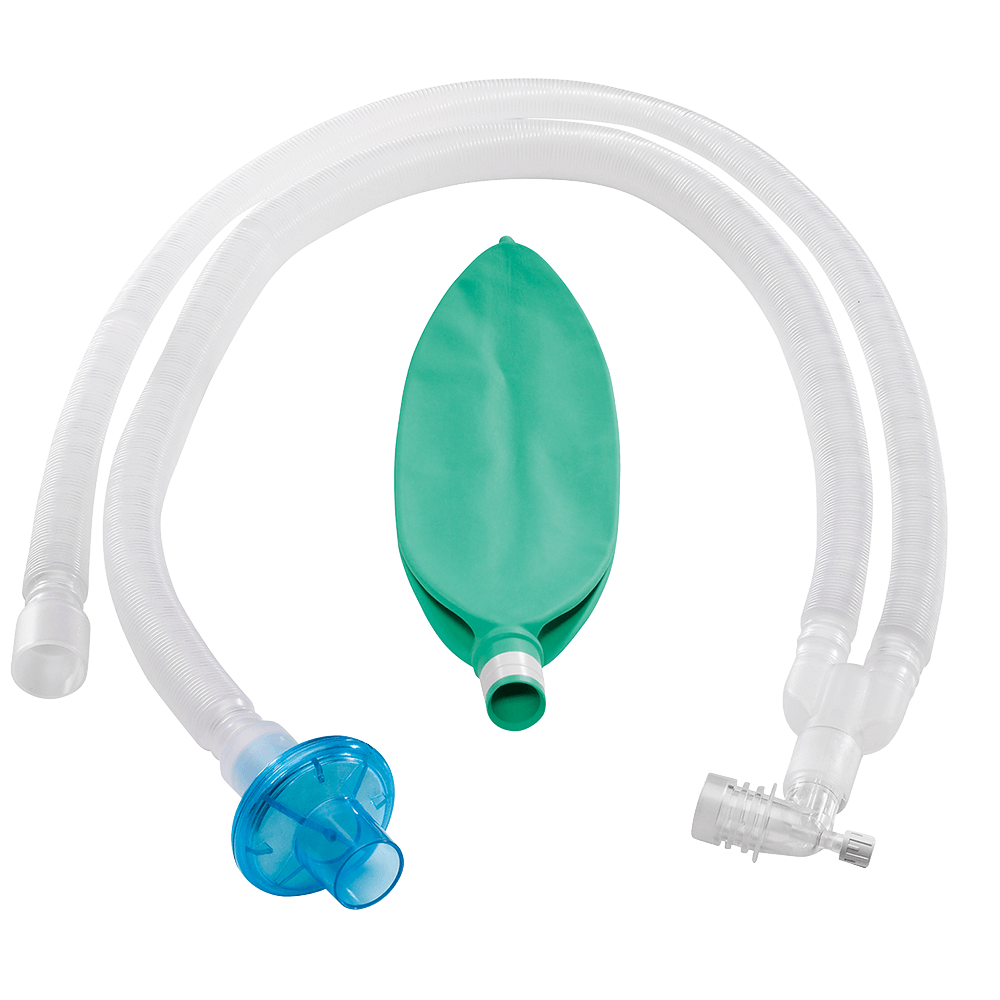
The foundation of any quality ventilator or anesthesia device lies in its technical capabilities. Look for devices that offer precise tidal volume control, accurate respiratory rate settings, and reliable pressure monitoring systems. Modern units should provide both invasive and non-invasive ventilation modes to accommodate various patient conditions in intensive care environments.

Advanced monitoring capabilities are essential. The device should display real-time parameters including airway pressure, oxygen concentration, and carbon dioxide levels. High-resolution screens with clear graphics help medical staff make quick, informed decisions during critical situations.

Blog content image 1

Safety Features and Reliability

Patient safety must be the top priority when choosing medical equipment. Essential safety features include:

  • Multiple alarm systems for pressure, volume, and disconnection alerts
  • Backup battery systems with extended runtime capabilities
  • Fail-safe mechanisms that maintain ventilation during power outages
  • Anti-bacterial filters and infection control features

The device should also include automatic compensation for leaks and provide consistent performance across varying environmental conditions. Reliable operation becomes even more critical in intensive care units where patients depend entirely on mechanical support.

User Interface and Training Requirements

An intuitive user interface reduces the learning curve for medical staff and minimizes the risk of operational errors. The control panel should feature logical layout, clear labeling, and responsive touchscreen technology. Quick-access buttons for emergency functions allow rapid response during critical situations.

Consider the training requirements for your team. Devices with comprehensive training programs and ongoing technical support help ensure proper operation and maintenance. The manufacturer should provide detailed documentation, online resources, and hands-on training sessions.

Blog content image 2

Maintenance and Service Considerations

Long-term operational costs significantly impact your investment decision. Evaluate the availability of replacement parts, service intervals, and maintenance requirements. Choose devices from manufacturers with established service networks and rapid response capabilities.

Regular calibration schedules should be manageable within your facility's workflow. Some modern ventilator and anesthesia device models offer self-diagnostic capabilities that identify potential issues before they affect patient care.

Compatibility and Integration

Seamless integration with existing hospital information systems streamlines workflow and improves patient monitoring. Look for devices that support standard communication protocols and can share data with electronic health records systems.

The equipment should also be compatible with standard accessories and consumables to avoid vendor lock-in situations that increase operational costs over time.

Budget and Total Cost of Ownership

While initial purchase price is important, consider the total cost of ownership including maintenance contracts, consumables, training, and potential upgrades. Higher-quality devices may have higher upfront costs but often provide better long-term value through improved reliability and lower maintenance requirements.

Many manufacturers offer flexible financing options and leasing programs that help healthcare facilities manage capital investments while ensuring access to the latest technology for intensive care applications.

Your Questions & Suggestions

We'd love to hear from healthcare professionals about their experiences with ventilator and anesthesia device selection. What factors have been most important in your facility's decision-making process? Have you encountered any unexpected challenges when implementing new equipment in your intensive care units?

Please share your insights and suggestions in the comments below. Your experiences can help other healthcare facilities make informed decisions when choosing critical care equipment. Whether you're a respiratory therapist, anesthesiologist, or biomedical engineer, your perspective adds valuable insight to this important discussion.

#Ventilator#anesthesia device#intensive care