Medical facilities worldwide face a constant challenge: ensuring complete sterilization of delicate, reusable instruments. Endoscopes and laparoscopic instruments present unique sterilization challenges due to their complex designs, heat-sensitive materials, and intricate channels that harbor microorganisms.
Plasma sterilization has emerged as the gold standard for these critical medical instruments, offering superior decontamination while preserving instrument integrity. Understanding why this technology matters can help healthcare professionals make informed decisions about patient safety and equipment longevity.
The Unique Challenges of Sterilizing Complex Medical Instruments
Endoscopes and laparoscopic instruments contain narrow lumens, delicate optical components, and electronic elements that traditional steam sterilization can damage. These instruments often feature:
- Multiple internal channels with diameters as small as 1mm
- Heat-sensitive plastics and rubber seals
- Sophisticated camera systems and fiber optics
- Electronic components that cannot withstand high temperatures
Traditional autoclaving at 121°C can warp plastic components, cloud optical lenses, and damage electronic circuits. High-level chemical disinfection, while gentler, may not penetrate all instrument channels effectively and requires lengthy exposure times.
How Plasma Sterilization Solves These Problems
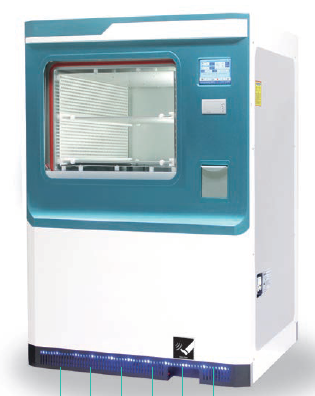
Plasma sterilization uses hydrogen peroxide vapor that transforms into reactive plasma at low temperatures (typically 45-50°C). This process destroys all forms of microbial life, including bacterial spores, viruses, and fungi, without damaging sensitive components.
The sterilization cycle works in four phases:
- Vacuum Phase: Air removal creates optimal conditions for sterilant penetration
- Injection Phase: Hydrogen peroxide vapor fills the chamber and penetrates instrument channels
- Diffusion Phase: Vapor reaches all surfaces and internal spaces
- Plasma Phase: Radio frequency energy creates plasma that breaks down microorganisms and residual hydrogen peroxide
This process leaves no toxic residues, requires no aeration time, and instruments emerge ready for immediate use.
Key Benefits for Healthcare Facilities
Plasma sterilization delivers multiple advantages that directly impact patient care and operational efficiency:
Patient Safety: Achieves sterility assurance levels of 10⁻⁶, meeting the highest standards for surgical instruments while eliminating the risk of chemical residues that could harm patients.
Instrument Longevity: Low-temperature processing preserves instrument functionality and appearance, reducing replacement costs. Facilities report significantly longer instrument lifecycles compared to steam sterilization.
Operational Efficiency: Cycle times range from 28-75 minutes depending on the load, with no cooling or aeration period required. This rapid turnaround supports busy surgical schedules.
Environmental Responsibility: The process breaks down hydrogen peroxide into harmless water vapor and oxygen, eliminating hazardous waste disposal concerns associated with chemical sterilants.
Implementation Considerations
Successfully integrating plasma sterilization requires attention to several factors:
Instrument compatibility verification ensures all devices can withstand the process. Most modern endoscopes and laparoscopic instruments are plasma-compatible, but older equipment may require assessment.
Proper cleaning remains essential before sterilization. Organic debris can interfere with plasma penetration, so thorough manual or automated cleaning protocols must precede sterilization.
Staff training programs should cover loading procedures, cycle selection, and troubleshooting to maximize system effectiveness and minimize processing errors.
Your Questions & Suggestions
We'd love to hear about your experiences with medical instrument sterilization! What challenges have you encountered when sterilizing complex endoscopic equipment? Have you noticed differences in instrument longevity between different sterilization methods? Do you have any tips for optimizing plasma sterilization cycles in busy healthcare environments? Share your insights and questions in the comments below – your experience could help other healthcare professionals improve their sterilization practices.