ليش الـ Polyclinic هو مستقبل الرعاية الصحية بالعراق؟
في ظل التطور المتسارع لقطاع الصحة بالعراق، صار تأسيس Polyclinic حديث ومتكامل من أهم الخطوات اللي يقدر يخطيها أي مستثمر أو طبيب يريد يقدم خدمة صحية راقية. الـ Polyclinic ما هو بس مجموعة عيادات تحت سقف واحد، بالعكس هو منظومة متكاملة توفر خدمات Diagnostic متنوعة وتضم تخصصات طبية مختلفة بشكل منظم ومريح للمريض.
الناس بالعراق، سواء ببغداد أو البصرة أو أربيل، تعبت من التنقل بين عيادات متفرقة وانتظار المواعيد لساعات. الـ Polyclinic يحل هذي المشكلة ويوفر وقت المريض وجهده، وهذا بحد ذاته ميزة تنافسية كبيرة.

الأجهزة الطبية الأساسية اللي ما يستغني عنها أي Polyclinic
لو تريد تأسس Polyclinic بمستوى عالي، لازم تنتبه لقائمة الأجهزة الضرورية. هذي الأجهزة هي القلب النابض للعيادة وتحدد جودة الخدمة الـ Diagnostic اللي تقدمها:
- جهاز الأشعة السينية (X-Ray): لازم يكون موجود بأي Polyclinic، ويفضل يكون رقمي (Digital) لدقته العالية وسرعة التشخيص.
- جهاز الإيكو والموجات الصوتية (Ultrasound): من أكثر الأجهزة طلباً بالعيادات العراقية، خصوصاً في تخصصات النساء والتوليد والباطنية.
- مختبر طبي متكامل (Lab): فحوصات الدم والبول والثقافة الجرثومية، هذي ضرورة ما يتنازل عنها أي Polyclinic محترم.
- جهاز تخطيط القلب (ECG): خصوصاً مع انتشار أمراض القلب بالعراق، هذا الجهاز يصير من الأساسيات.
- أجهزة قياس الضغط والسكر الرقمية: بسيطة بس مهمة جداً للكشف المبكر.
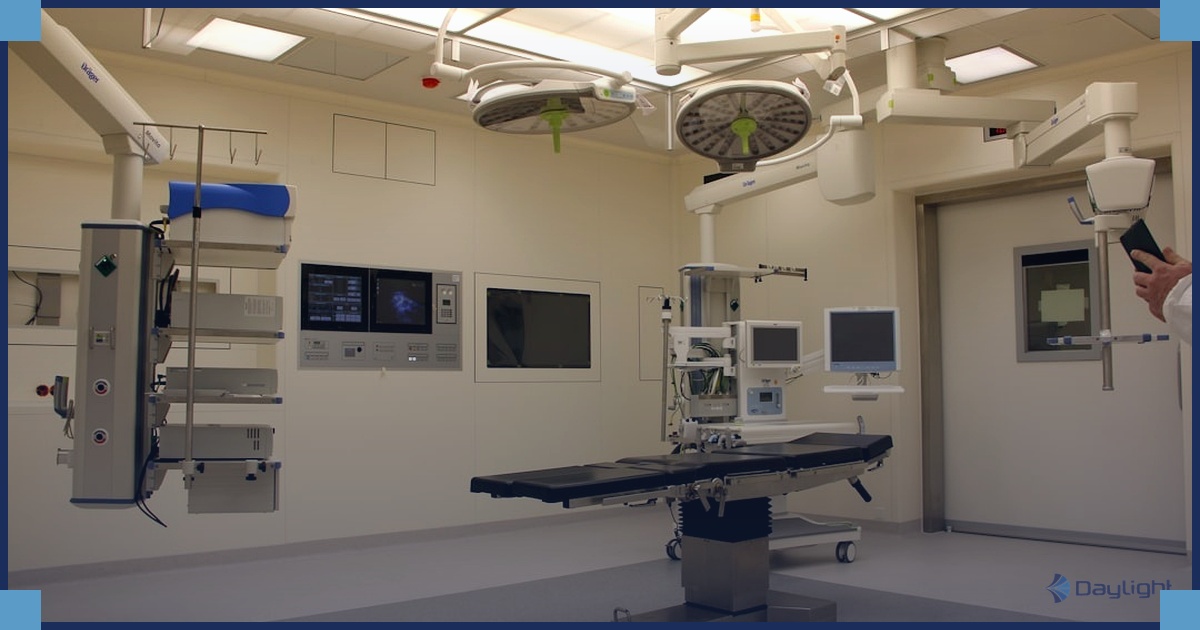
- غرفة العمليات الصغيرة (Minor Surgery Room): لتغيير الضمادات والتدخلات البسيطة.
بجانب هذي الأجهزة، ينصح الخبراء باقتناء أجهزة تعليمية Educational تساعد الطاقم الطبي على شرح التشخيص للمريض بشكل مبسط، مثل الشاشات التفاعلية والنماذج التشريحية، لأن المريض العراقي يحب يفهم وضعه الصحي بشكل واضح.

مبادئ تصميم الـ Polyclinic: من الاستقبال لغاية غرفة الكشف
التصميم الصحيح للـ Polyclinic ما يقل أهمية عن الأجهزة. الغلطات بالتصميم تأثر على سير العمل وعلى راحة المريض والطاقم الطبي معاً. إليك أهم المبادئ:
- الاستقبال والتسجيل: لازم يكون في مدخل واضح ومريح، مع نظام حجز إلكتروني يقلل الزحمة والفوضى.
- الفصل بين التدفقات: المرضى والمرافقين والطاقم الطبي ما يفضل يتقاطعوا ببعض، هذا يحسن النظافة والخصوصية.
- التهوية والإضاءة: العيادات العراقية كثير تعاني من ضعف التهوية، لازم يكون في نظام تكييف مركزي جيد وإضاءة طبيعية كافية.
- غرف الانتظار: تصميمها بشكل مريح مع مقاعد كافية، وتجنب الازدحام خصوصاً بأوقات الذروة.
- الخصوصية: كل غرفة كشف لازم تكون معزولة صوتياً ومريحة للمريض.
- إمكانية الوصول: مراعاة ذوي الاحتياجات الخاصة والمسنين، ويشمل هذا المصاعد والمنحدرات.
لا تنسى إن التوجه العالمي اليوم يركز على الجانب العلمي والـ Educational داخل المنشأة الصحية، يعني إضافة شاشات توعوية في صالات الانتظار تشرح للمريض معلومات صحية مفيدة بدل ما يضيع وقته بالانتظار فارغ.
نصائح ذهبية قبل ما تبدأ مشروعك
قبل ما تخطط لفتح Polyclinic بالعراق، خذ بالحسبان هذي النقاط المهمة:
- ادرس المنطقة الجغرافية واحتياجاتها الصحية، مثلاً مناطق المدن الجديدة ببغداد كمدينة الصدر والكرادة محتاجة لتخصصات معينة.
- تعاون مع موردين موثوقين للأجهزة الطبية يوفرون خدمة ما بعد البيع والصيانة.
- لا تستهن بالتدريب الـ Educational لطاقمك الطبي والإداري، هو استثمار يرجع عليك بكل تأكيد.
- احصل على كل التراخيص من وزارة الصحة العراقية قبل الافتتاح لتجنب أي مشاكل قانونية.