Planning an efficient operating room requires careful consideration of equipment, layout, and workflow. Hospitals in Erbil and Baghdad face unique challenges when establishing modern surgical facilities. This comprehensive guide helps medical administrators and surgical teams create optimal operating environments that enhance patient safety and surgical outcomes.
Essential Operating Room Equipment Selection
Modern surgical procedures demand high-quality operating room equipment that meets international standards. Start with core components that directly impact surgical success. Anesthesia machines, electrosurgical units, and patient monitoring systems form the foundation of any well-equipped OR.
Consider the specific needs of your hospital's surgical specialties. Cardiovascular procedures require different equipment than orthopedic surgeries. Evaluate suppliers who offer reliable maintenance services and spare parts availability in Iraq. This ensures minimal downtime and consistent equipment performance.
Budget allocation should prioritize safety-critical equipment first. Invest in quality pieces that offer longevity and reliability rather than choosing cheaper alternatives that may fail during critical procedures.

Choosing the Right Operating Table
The operating table serves as the centerpiece of surgical procedures. Select tables that offer maximum positioning flexibility and patient support. Modern operating tables provide precise adjustments for various surgical positions, ensuring optimal access for surgeons while maintaining patient safety.
Consider electric operating tables with memory positioning features. These tables allow surgical teams to quickly adjust patient positioning during procedures. Look for tables with radiolucent sections that accommodate imaging equipment without repositioning patients.
Weight capacity and stability are crucial factors. Choose tables that support patients of various sizes while maintaining stability during complex procedures. Ensure your selected operating table includes appropriate accessories for your surgical specialties.
Operating Lamp Requirements and Setup
Proper illumination is critical for surgical precision. Modern operating lamps provide shadow-free lighting with adjustable intensity and color temperature. LED operating lamps offer superior performance with longer lifespans and reduced heat generation.
Position operating lamps to eliminate shadows while providing optimal visibility for primary and assistant surgeons. Consider dual-head lamp systems for complex procedures requiring multiple light sources. Ensure your operating lamp system includes backup lighting options for emergency situations.
Color rendering index (CRI) should exceed 95 for accurate tissue visualization. Adjustable beam patterns allow surgical teams to customize lighting for specific procedures and patient anatomy.

Layout and Workflow Optimization
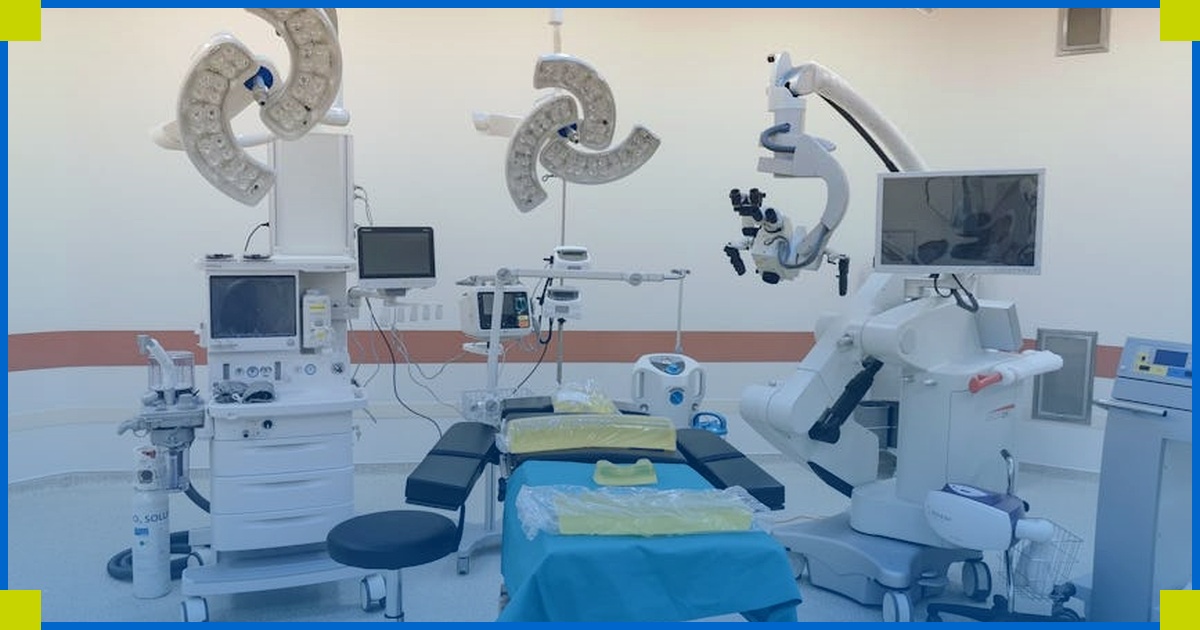
Design your operating room layout to support efficient workflow and minimize contamination risks. Create clear pathways for staff movement and equipment positioning. Ensure adequate space around the operating table for surgical team movement and emergency access.
Install appropriate ceiling-mounted equipment booms to reduce floor clutter and improve mobility. Position electrical outlets and medical gas connections strategically to avoid cord entanglement and maintain sterile fields.
Consider traffic flow patterns when planning door placement and corridor access. Separate clean and contaminated material flows to maintain infection control standards.
Maintenance and Quality Assurance
Establish comprehensive maintenance protocols for all operating room equipment. Partner with reliable service providers who understand local conditions and can respond quickly to equipment failures. Maintain detailed maintenance records and equipment performance logs.
Train your biomedical engineering staff on equipment troubleshooting and routine maintenance procedures. This reduces dependence on external service providers and ensures faster problem resolution.
Implement regular quality checks and safety inspections for all operating room equipment. Document equipment performance issues and track trends to inform future purchasing decisions.