پەرەسەندنی ڕووناکی نەشتەرگەری لە ژووری نەشتەرگەریدا
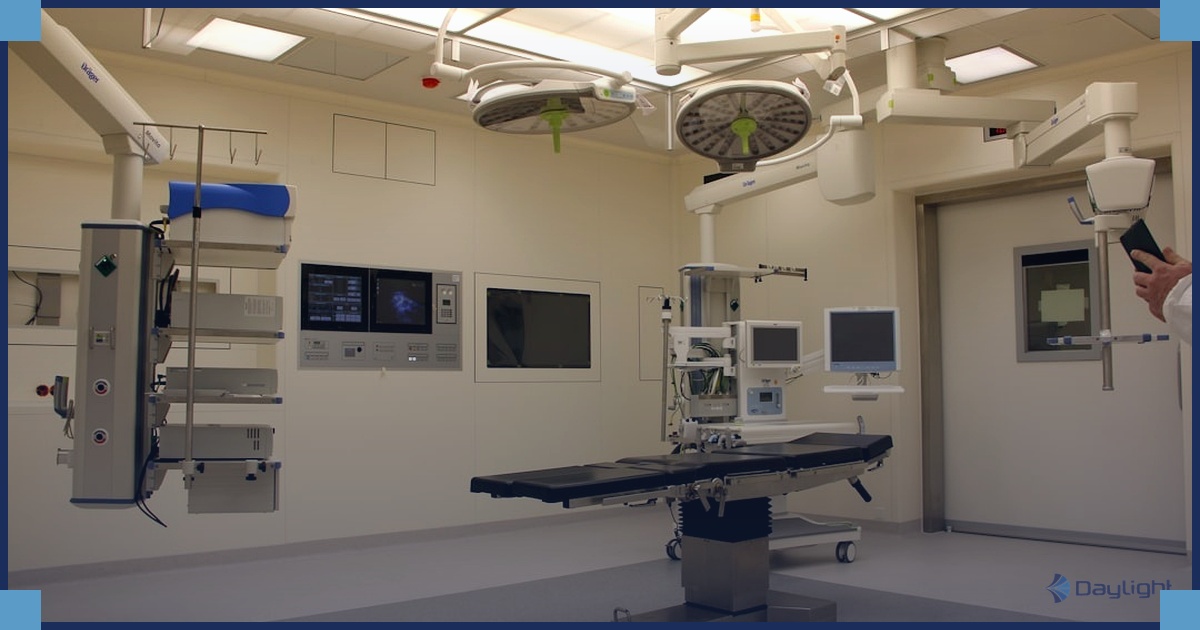
ڕووناکی یەکێکە لە هەرە گرنگترین بەڵام زۆرجار پشتگوێخراوترین پێکهاتەکانی ئامێرەکانی ژووری نەشتەرگەری. توانای نەشتەرگەر بۆ جیاکردنەوەی جۆرەکانی شانە، دۆزینەوەی خوێنبەربوون و بڕینی ورد بە شێوەیەکی گەورە پشت بە کوالیتی ئەو ڕووناکییە دەبەستێت کە بواری نەشتەرگەری ڕۆشن دەکاتەوە. لە دوو دەیەی ڕابردوودا، پیشەسازییەکە بە شێوەیەکی بەرچاو لە گڵۆپە هالۆجینییە کۆنەکانەوە گواستراوەتەوە بۆ تەکنەلۆژیای پێشکەوتووی LED — و بە هۆکاری باشیش.
چرا هالۆجینییەکان بۆ دەیان ساڵ بە دڵسۆزییەوە خزمەتی ژوورەکانی نەشتەرگەرییان کردووە. ڕووناکییەکی گەرم و بریسکەدار بەرهەم دەهێنن و نرخیان نزیکەی گونجاوە. لەگەڵ ئەوەشدا، کەموکوڕی بەرچاویان هەیە: دەردانی گەرمی زۆر، تەمەنی کورتتری گڵۆپ و بەکارهێنانی وزەی بەرزتر. ئەو نەشتەرگەرانەی لەژێر چرای هالۆجیندا کار دەکەن زۆرجار ناڕەحەتی لە گەرمی ڕاپۆرت دەکەن، کە دەتوانێت کاریگەری لەسەر سەرنج لە نەشتەرگەرییە درێژەکاندا هەبێت.
چرا LED ەکانی نەشتەرگەری، بە پێچەوانەوە، ساردتر کار دەکەن، درێژتر دەمێننەوە و وزەی زۆر کەمتر بەکاردەهێنن. سیستەمە هاوچەرخەکانی LED هەروەها دەتوانن بە وردی ڕێکبخرێن بۆ دابینکردنی تایبەتمەندییە دیاریکراوەکانی ڕووناکی کە ڕاستەوخۆ دەرئەنجامەکانی نەشتەرگەری باشتر دەکەن.

تێگەیشتن لە پێوەری دەرخستنی ڕەنگ (CRI) لە شوێنەکانی نەشتەرگەریدا
پێوەری دەرخستنی ڕەنگ، یان CRI، دەیپێوێت کە سەرچاوەیەکی ڕووناکی چەند بە وردی ڕەنگە ڕاستەقینەکانی شتەکان دەردەخات بە بەراورد لەگەڵ ڕووناکی سروشتی خۆر. CRI لەسەر پێوانەیەکی ٠ بۆ ١٠٠ نمرە دەدرێت، کە ١٠٠ وردی تەواوی ڕەنگ دەنوێنێت.
لە ژینگەیەکی نەشتەرگەریدا، CRI تەنها تایبەتمەندییەکی تەکنیکی نییە — فاکتەرێکی سەلامەتی نەخۆشە. ئەمە هۆکارەکەیەتی:
- جیاکردنەوەی شانەکان: نەشتەرگەران دەبێت جیاوازی نێوان چەوری، ماسولکە، دەمار و خوێنبەرەکان بکەن. CRI ی بەرز (باشترین لە سەروو ٩٠) دڵنیایی دەدات کە ئەم شانانە بە ڕەنگی ڕاستەقینەیان دەردەکەون، کە هەڵەکانی دەستنیشانکردن کەم دەکاتەوە.
- دۆزینەوەی خوێن: دۆزینەوەی زووی خوێنبەربوون هەرە گرنگە. چرای CRI-نزم دەتوانێت وا بکات خوێن تاریکتر یان کەمتر دیار بێت، کە کاتی وەڵامدانەوە دوا دەخات.
- هەستکردن بە قووڵی: دەرخستنی وردی ڕەنگ هۆشیاری شوێنی نەشتەرگەر لەناو بۆشایی نەشتەرگەرییەکەدا بەرز دەکاتەوە.
- کەمکردنەوەی ماندووبوونی چاو: دەرخستنی خراپی ڕەنگ مێشک ناچار دەکات سەختتر کار بکات، کە دەبێتە هۆی ماندووبوونی خێراتری چاو لە نەشتەرگەرییە درێژەکاندا.
بەرهەمهێنەرە پێشەنگەکان ئێستا چرای نەشتەرگەری LED بەرهەم دەهێنن بە نمرەی CRI ی ٩٣ بۆ ٩٧. ئەمە باشتربوونێکی بەرچاوە بەسەر سیستەمە هالۆجینییە ستانداردەکاندا، کە بە شێوەیەکی ئاسایی نمرەیان لە نێوان ٨٥ و ٩٠ دایە.

LED بەرامبەر هالۆجین: بەراوردێکی ڕاستەوخۆ
لە کاتی هەڵسەنگاندنی ئامێرەکانی ژووری نەشتەرگەری بۆ دامەزراوەکەت، هەڵبژاردنی نێوان ڕووناکی LED و هالۆجین چەند ڕەچاوکردنێکی پراکتیکی لەخۆدەگرێت:
- دەردانی گەرمی: چرا LED ەکان تا ٧٠٪ گەرمی کەمتر لە سیستەمە هالۆجینییەکان بەرهەم دەهێنن، کە ژینگەیەکی ئاسوودەتر بۆ تیمەکانی نەشتەرگەری دروست دەکات.
- تەمەن: چرایەکی نەشتەرگەری LED ی کوالیتی-بەرز دەتوانێت ٥٠,٠٠٠ کاتژمێر یان زیاتر بمێنێتەوە، بە بەراورد لەگەڵ ٢,٠٠٠ بۆ ٥,٠٠٠ کاتژمێر بۆ گڵۆپە هالۆجینییەکان.
- کارایی وزە: سیستەمەکانی LED وزەی زۆر کەمتر بەکاردەهێنن، کە تێچوونی کارکردنی درێژخایەن کەم دەکاتەوە.
- ڕێکخستن: چرا LED ە هاوچەرخەکان ڕێگە بە نەشتەرگەران دەدەن پلەی گەرمی ڕەنگ و توندی لە کاتی نەشتەرگەرییەکاندا ڕێکبخەن، کە لەگەڵ قۆناغە جیاوازەکانی نەشتەرگەریدا دەگونجێت.
- بەڕێوەبردنی سێبەر: سیستەمە پێشکەوتووەکانی LED چەندین خاڵی ڕووناکی بەکاردەهێنن بۆ کەمکردنەوەی سێبەرەکان، کە سکاڵایەکی باوە لە ڕێکخستنە هالۆجینییە کۆنەکاندا.
لە ڕوانگەی پێشاندانی بەرهەمەوە، بەرهەمهێنەرە پێشەنگەکانی چرای نەشتەرگەری ئەمڕۆ چارەسەری تەواو یەکخراوی LED پێشکەش دەکەن لەگەڵ کۆنترۆڵی بێ-دەستلێدان، دەسکە ستێریلکراوەکان و یەکخستنی کامێرا بۆ بەڵگەنامەکردن و بەکارهێنانەکانی تەلەمێدیسین.
دانی بڕیاری دروست بۆ ژووری نەشتەرگەریەکەت
وەبەرهێنان لە چرای نەشتەرگەری LED ی CRI-بەرز چیتر شتێکی زیادە نییە — ستانداردێکی چاودێرییە. ئەو دامەزراوانەی ئامێرەکانی ژووری نەشتەرگەرییان نوێ دەکەنەوە دەبێت چرا بە CRI ی سەروو ٩٣، پلەی گەرمی ڕەنگی ڕێکخراوی نێوان 3,500K و 5,000K و دەردانی ڕووناکی لانیکەم ١٦٠,٠٠٠ لوکس لە دووری کاری ڕاسپێردراودا لە پێشینەدا دابنێن.
تێچوونی سەرەتایی سیستەمەکانی LED بەرزترە، بەڵام پاشەکەوتە درێژخایەنەکان لە گۆڕینی گڵۆپ، پارەی کارەبا و کەمبوونەوەی ئاڵۆزییەکانی نەشتەرگەریدا وەبەرهێنانەکە بەنرخ دەکەن. لەوەش گرنگتر، ڕووناکی باشتر واتە دەرئەنجامی باشتر بۆ نەخۆشان.
پرسیار و پێشنیارەکانتان
حەز دەکەین لێتان ببیستین! جا نەشتەرگەر بیت، پەرستاری ژووری نەشتەرگەری، بەڕێوەبەری نەخۆشخانە یان پسپۆڕی ئامێری پزیشکی، بینینەکانتان یارمەتیمان دەدەن ناوەڕۆکی بەنرختر دروست بکەین.
- ئایا لە ژوورێکی نەشتەرگەریدا کارتان کردووە کە بەم دواییانە لە هالۆجینەوە بۆ ڕووناکی LED نوێ کرابێتەوە؟ چ جیاوازییەکتان لە کاتی نەشتەرگەرییەکاندا بەدی کرد؟
- پێوەری دەرخستنی ڕەنگ چەند گرنگە کاتێک دامەزراوەکەتان سیستەمی نوێی ڕووناکی نەشتەرگەری هەڵدەسەنگێنێت؟
- ئایا ئامۆژگاری یان ئەزموونتان هەیە لەگەڵ براندە دیاریکراوەکانی چرای نەشتەرگەری کە بە پیشەگەرانی تری ڕاسپێرن؟
بیروڕا، ئەزموون یان پرسیارەکانتان لە بەشی کۆمێنتەکانی خوارەوە هاوبەش بکەن. فیدباکەکانتان یارمەتیمان دەدەن ناوەڕۆکی پێشاندانی بەرهەم باشتر بکەین و پشتگیری بڕیاری باشتر لە کۆمەڵگای پزیشکیدا بکەین. هەموو کۆمێنتێک دەخوێنینەوە و چاوەڕوانی گفتوگۆکەین!