شنو هي معايير HTM 02-01 و ISO 7396-1؟
معايير HTM 02-01 و ISO 7396-1 تعتبر من أهم المعايير التقنية الدولية اللي تحكم تصميم وتركيب أنظمة أنابيب الغازات الطبية بالمستشفيات والمراكز الصحية. هذه المعايير ضرورية جداً لضمان سلامة المرضى وكفاءة العمليات الطبية، خاصة بالعراق وين نحتاج نطور البنية التحتية الصحية حسب أفضل المواصفات العالمية.
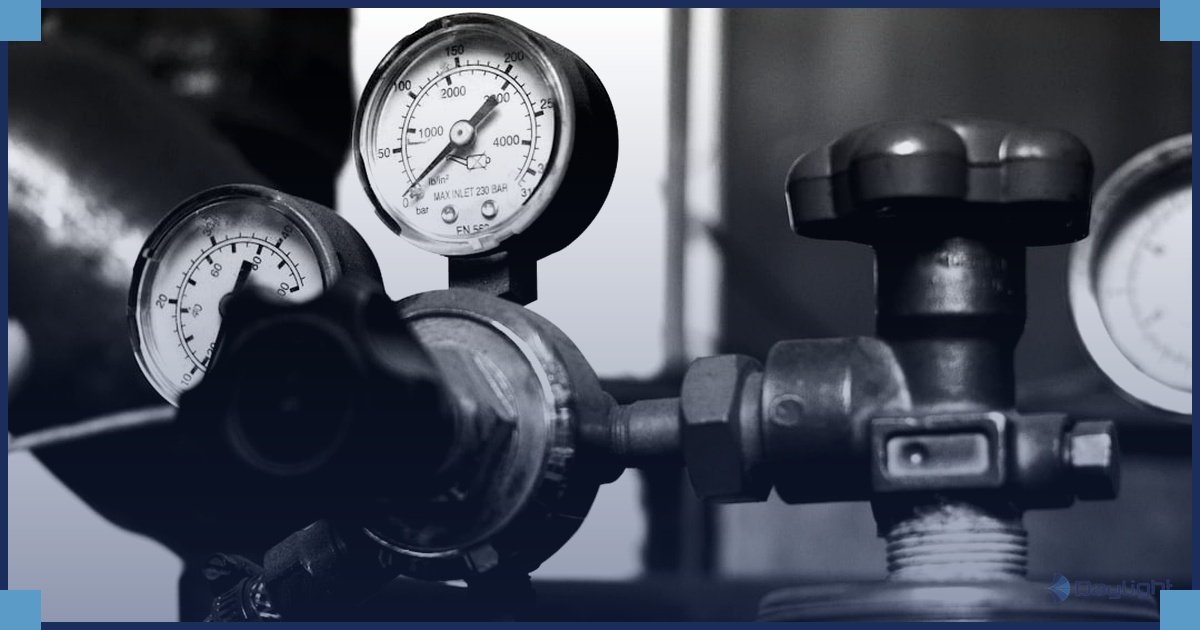
معيار HTM 02-01 هو المعيار البريطاني اللي يركز على إدارة المخاطر والصيانة الوقائية، بينما ISO 7396-1 هو المعيار الدولي اللي يحدد متطلبات التصميم والتركيب لأنظمة Medical Gas Systems.

متطلبات الامتثال التقني للمستشفيات العراقية
بالنسبة للمستشفيات بالعراق، الامتثال لهذه المعايير يتطلب عدة خطوات مهمة:
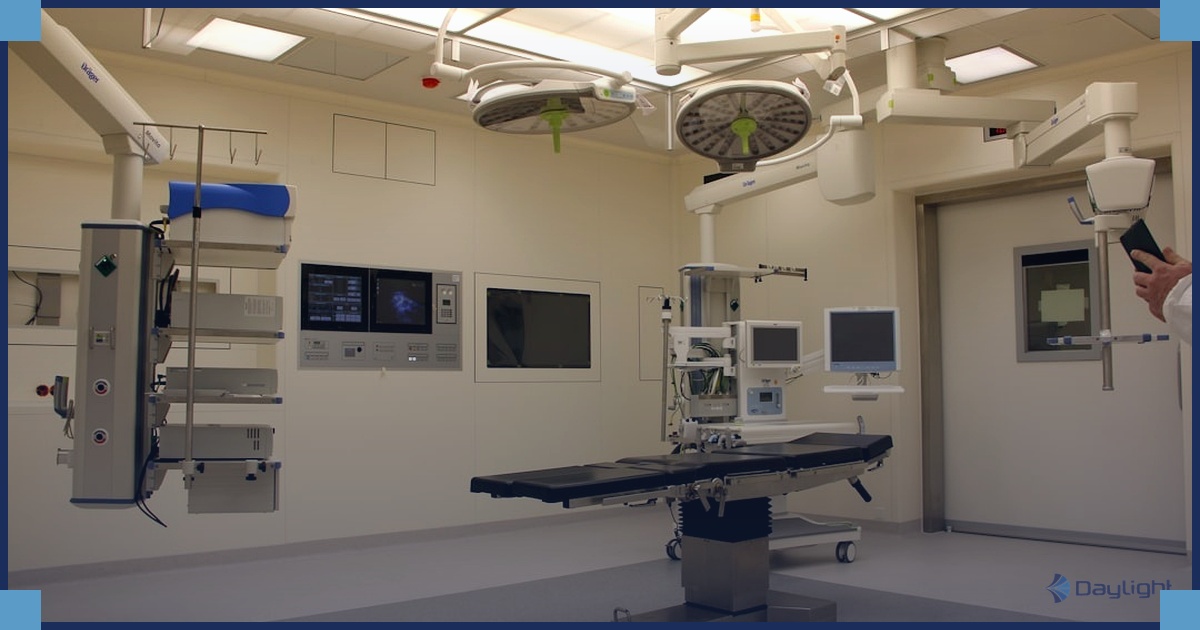
- التخطيط والتصميم: لازم يكون التصميم يلبي احتياجات كل قسم بالمستشفى، من غرف العمليات لحد أجنحة العناية المركزة
- اختيار المعدات المعتمدة: استخدام أنابيب ومعدات تحمل شهادات الجودة الدولية وتناسب المناخ العراقي
- التركيب المتخصص: العمل مع فرق تقنية مدربة على هذه المعايير
- الفحص والاختبار: إجراء فحوصات دورية للتأكد من سلامة النظام وكفاءته
هذه المتطلبات Technical ضرورية لضمان وصول الأكسجين والغازات الطبية الأخرى بشكل آمن وموثوق للمرضى، خاصة بالحالات الحرجة.

التحديات والحلول بالبيئة العراقية
المستشفيات بالعراق تواجه تحديات خاصة بتطبيق هذه المعايير، منها الظروف المناخية القاسية، انقطاع الكهرباء، والحاجة لصيانة مستمرة. لهذا، لازم نراعي هذه النقاط:
- استخدام مواد مقاومة للحرارة والرطوبة العالية
- توفير أنظمة احتياطية للطوارئ
- تدريب الكوادر المحلية على الصيانة والتشغيل
- وضع برامج صيانة وقائية منتظمة
الهدف هو ضمان استمرارية عمل أنظمة Medical Gas Systems بأعلى مستويات الأمان والكفاءة، مما يساهم برفع جودة الرعاية الصحية بالعراق.
الخطوات العملية للتطبيق
للمستشفيات اللي تريد تطبق هذه المعايير، الخطوات الأساسية تشمل التقييم الأولي للبنية التحتية الموجودة، وضع خطة التطوير والتحديث، التعاقد مع شركات متخصصة ومعتمدة، والتدريب المستمر للكوادر التقنية والطبية.
هذا الاستثمار بأنظمة الغازات الطبية المطابقة للمعايير الدولية مو بس يحسن من جودة الخدمات الطبية، بل كمان يقلل من المخاطر ويوفر بالتكاليف على المدى الطويل.