Hospitals generate millions of tons of waste annually, creating a complex challenge that balances patient safety, staff protection, and environmental responsibility. Proper medical waste management requires strict protocols, specialized disposal methods, and innovative solutions to minimize ecological impact while maintaining the highest safety standards.
Understanding Medical Waste Categories
Medical waste encompasses various materials that pose potential health risks. These include infectious waste like blood-soaked bandages, pathological waste from surgeries, sharps such as needles and scalpels, and pharmaceutical waste from expired medications. Each category requires specific handling procedures and disposal methods.
Healthcare facilities must segregate waste at the point of generation using color-coded containers. Red bags contain infectious waste, yellow containers hold pathological materials, and puncture-resistant sharps containers prevent needle-stick injuries. This systematic approach ensures proper treatment and reduces contamination risks.

The Role of Disposable Medical Products
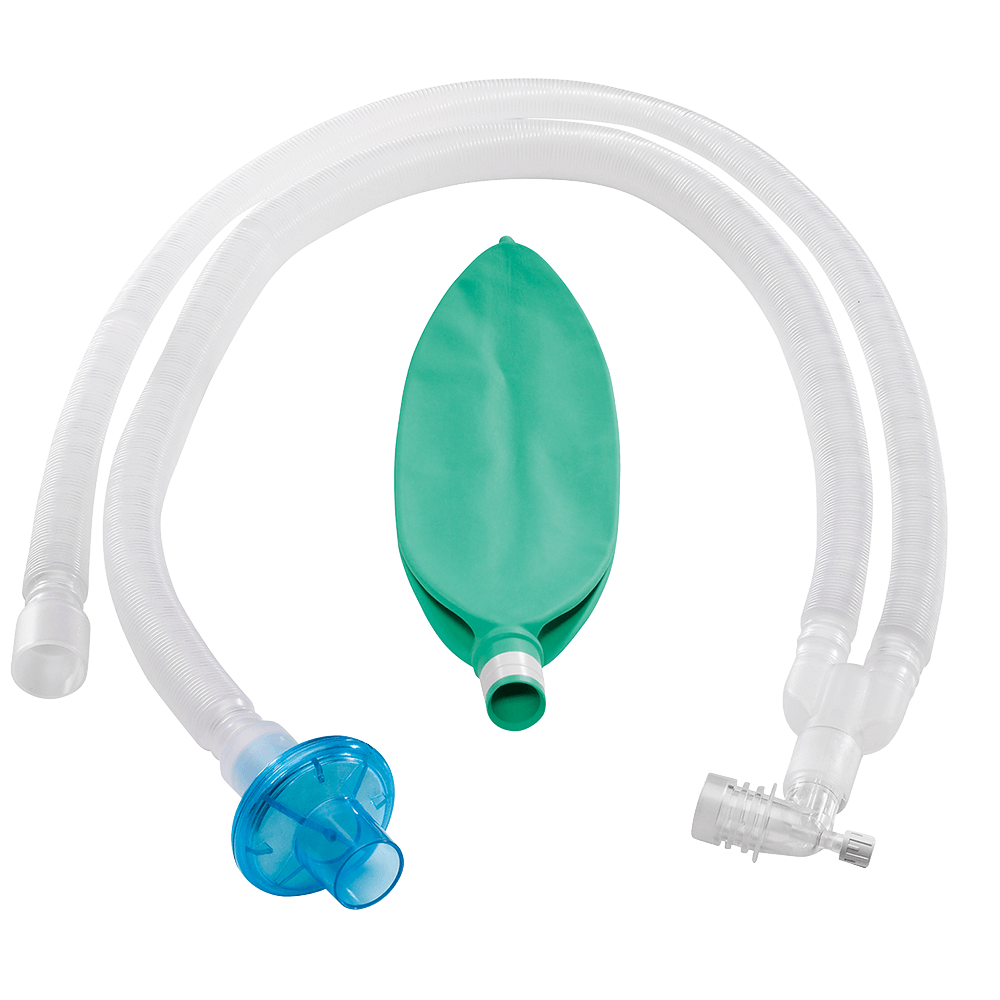
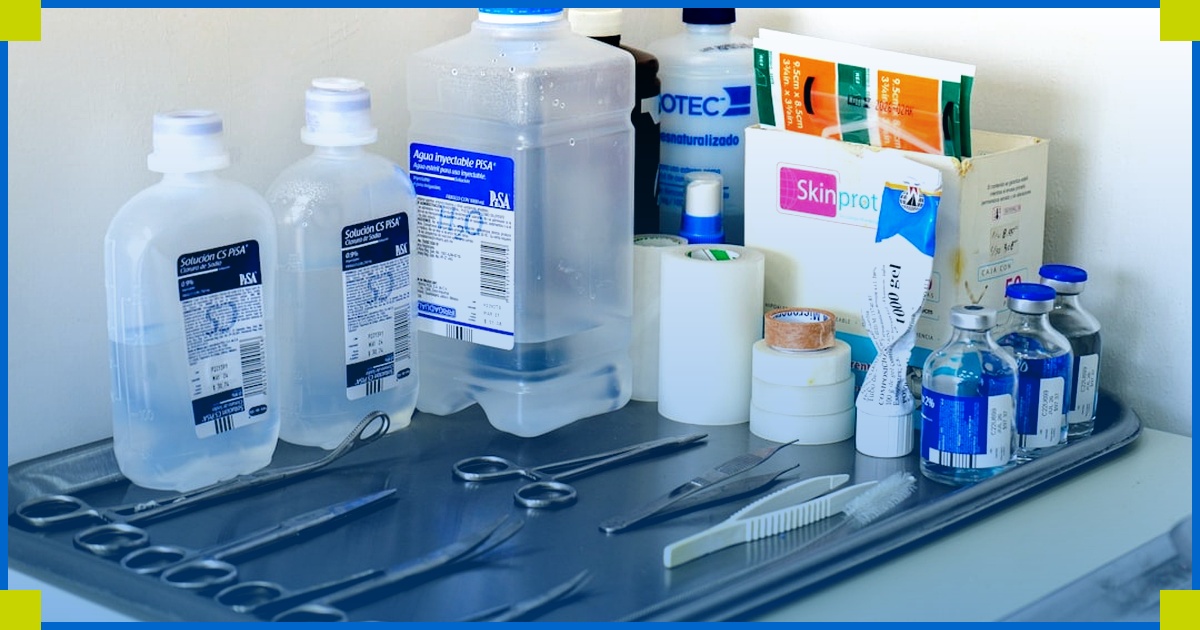
Disposable medical items have revolutionized healthcare safety by eliminating cross-contamination risks. Single-use syringes, gloves, gowns, and surgical instruments protect patients and healthcare workers from infectious diseases. These products significantly reduce hospital-acquired infections and streamline sterilization processes.
However, the widespread use of disposable items creates substantial waste volumes. Hospitals must balance infection control benefits with environmental concerns. Many facilities now evaluate each disposable product's necessity and explore reusable alternatives where safety permits.

Environmental Impact and Sustainable Solutions
The environmental footprint of hospital waste extends beyond disposal. Manufacturing disposable medical products consumes significant energy and resources. Traditional waste treatment methods, including incineration and autoclaving, produce emissions and require substantial energy inputs.
Progressive healthcare systems implement sustainable practices without compromising safety. These include waste minimization programs, reprocessing certain single-use devices under strict FDA guidelines, and choosing products with reduced environmental impact. Some hospitals partner with specialized companies to reprocess compatible medical devices, reducing both waste and costs.
Best Practices for Effective Waste Management
Successful hospital waste management requires comprehensive staff training, clear protocols, and regular audits. Healthcare workers must understand proper segregation techniques, container usage, and handling procedures. Regular training sessions ensure compliance with changing regulations and best practices.
Technology plays an increasingly important role in waste management. Tracking systems monitor waste generation patterns, helping hospitals identify reduction opportunities. Some facilities use innovative treatment technologies like microwave systems or advanced autoclaving that reduce environmental impact compared to traditional incineration.
Cost management remains crucial, as medical waste disposal can represent significant operational expenses. Hospitals often partner with licensed waste management companies that provide compliant disposal services while offering cost-effective solutions. These partnerships ensure regulatory compliance while allowing healthcare facilities to focus on patient care.
Future Trends and Innovations
The healthcare industry continues developing environmentally conscious solutions. Biodegradable medical products, improved recycling programs, and advanced waste treatment technologies show promise for reducing environmental impact. Some manufacturers now produce medical supplies using sustainable materials without compromising safety or effectiveness.
Regulatory agencies increasingly emphasize environmental considerations in medical waste management guidelines. This shift encourages hospitals to adopt more sustainable practices while maintaining strict safety standards. The integration of environmental responsibility with healthcare safety represents the future of medical waste management.