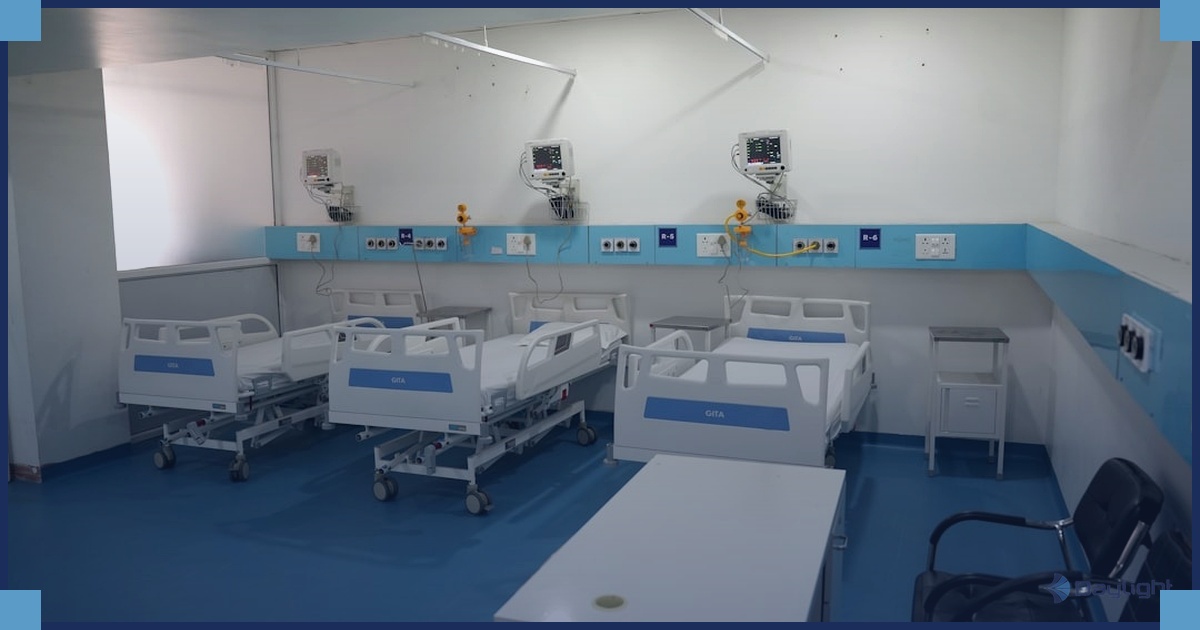
Why the Right Hospital Bed Procurement Strategy Matters
Selecting the right hospital beds is one of the most critical decisions a healthcare facility can make. The wrong choice can compromise patient safety, reduce staff efficiency, and inflate long-term operational costs. A structured procurement guide helps administrators cut through the complexity and make confident, data-driven decisions.
Hospital Furniture is not a one-size-fits-all category. ICU beds, general ward beds, and pediatric beds each serve distinct clinical purposes and patient populations. Understanding these differences is the foundation of any sound procurement strategy.
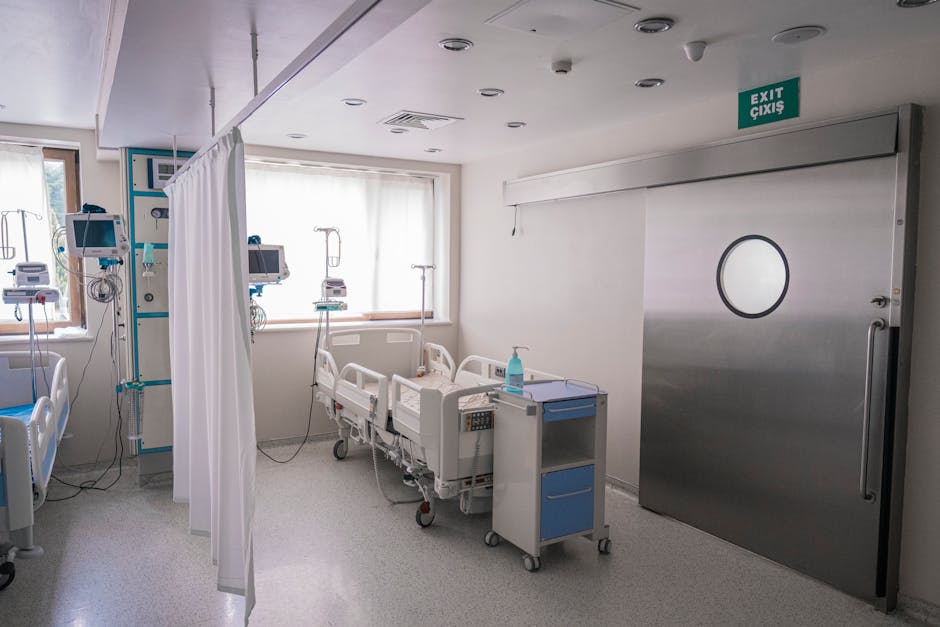
Breaking Down the Three Bed Categories
ICU Beds
Intensive Care Unit beds demand the highest level of technical sophistication. Key features to prioritize include:
- Advanced positioning controls: Trendelenburg, reverse Trendelenburg, and lateral tilt functions support critical interventions.
- Integrated monitoring compatibility: Beds should interface with vital sign monitors and nurse call systems.
- CPR release mechanisms: One-touch backrest flattening can be life-saving during cardiac emergencies.
- High weight capacity: Minimum 250 kg load-bearing capacity is standard for ICU environments.
- Infection control surfaces: Seamless, antimicrobial upholstery reduces cross-contamination risk.
ICU beds carry the highest unit cost but deliver essential clinical value. Budget approximately 40–60% more per unit compared to standard ward beds.
General Ward Beds
Ward beds balance functionality with cost efficiency. Procurement teams should focus on:
- Electric or semi-electric height adjustment for staff ergonomics
- Side rail safety with one-handed operation
- Mattress platform compatibility with pressure-relief overlays
- Smooth-rolling casters with reliable locking brakes
- Easy-clean surfaces for daily housekeeping routines
Ward beds represent the bulk of any hospital's Hospital Furniture inventory. Negotiating volume discounts and standardizing models across departments reduces maintenance complexity significantly.
Pediatric Beds
Pediatric beds require a child-centered design approach. Critical specifications include:
- Full-length, adjustable side rails to prevent falls
- Smaller mattress dimensions scaled to age groups (infant, toddler, school-age)
- Low minimum height settings to ease child transfers
- Colorful, non-threatening aesthetics that reduce patient anxiety
- Compatibility with pediatric-specific monitoring and IV equipment
Never repurpose adult ward beds for pediatric units. Mismatched equipment creates safety gaps and violates accreditation standards in most regions.

The Decision Matrix: A Practical Procurement Guide
Use this framework to score and compare bed options across departments:
- Clinical Requirements (40%): Does the bed meet all safety and functional specifications for the intended care setting?
- Total Cost of Ownership (25%): Factor in purchase price, warranty terms, spare parts availability, and expected lifespan (typically 10–15 years).
- Vendor Support (20%): Evaluate local service networks, response times, and staff training programs.
- Regulatory Compliance (15%): Confirm CE marking, FDA clearance, or relevant regional certifications before finalizing any purchase.
Apply this matrix independently for each bed category. A supplier excelling in ICU beds may not offer the best pediatric solution. Diversifying vendors by category often yields better outcomes than a single-supplier approach.
Key Procurement Takeaways
Effective hospital bed procurement requires clear departmental specifications, a structured scoring system, and a long-term total cost perspective. Involve clinical staff, biomedical engineers, and infection control teams early in the evaluation process. Their frontline insights often reveal practical requirements that purchasing departments overlook.
A well-executed procurement guide saves facilities from costly replacements, reduces staff injury risks, and most importantly, improves patient outcomes across all care settings.