Selecting the right surgical ceiling light is a crucial decision that directly impacts the quality of medical procedures and patient outcomes. Healthcare facilities must carefully evaluate multiple factors to ensure they invest in equipment that meets their specific needs and provides reliable performance for years to come.
Illumination Quality and Light Distribution
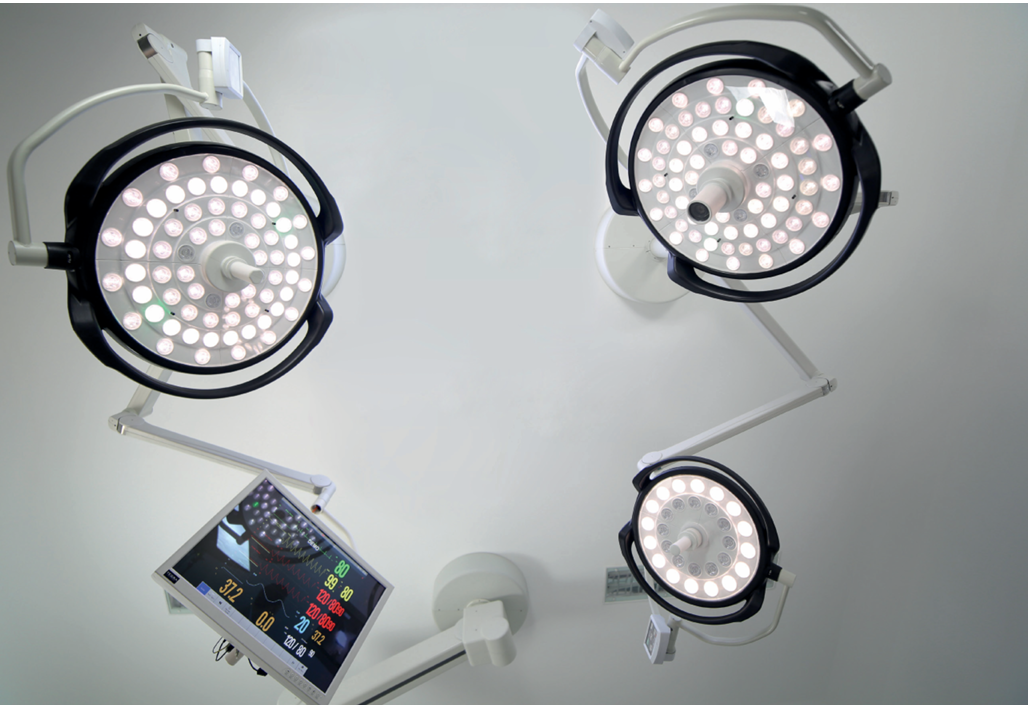
The primary function of surgical ceiling lights is to provide exceptional illumination for medical procedures. Look for lights that offer uniform light distribution with minimal shadows. High-quality surgical lights should deliver consistent color temperature between 4000K-5000K, ensuring accurate tissue color representation. The illumination intensity should be adjustable, typically ranging from 40,000 to 160,000 lux, allowing medical professionals to customize lighting based on procedure requirements.
Shadow reduction technology is equally important. Modern surgical lights use multiple LED arrays positioned strategically to eliminate shadows created by surgeons' hands, instruments, and heads during procedures.
Flexibility and Positioning Features
Surgical ceiling lights must offer exceptional maneuverability to accommodate various surgical positions and room configurations. Consider lights with multi-axis positioning capabilities, including 360-degree rotation, tilting mechanisms, and height adjustment features.
The light head should maintain its position once adjusted, without drifting during procedures. Look for systems with electromagnetic or friction-based positioning locks that provide stable, precise positioning while remaining easy to adjust when needed.
Heat Management and Patient Comfort
Effective heat management prevents patient discomfort and maintains optimal working conditions for medical staff. LED-based surgical lights generate significantly less heat compared to traditional halogen systems, making them the preferred choice for modern operating rooms.
Advanced thermal management systems use heat sinks, fans, or passive cooling methods to dissipate heat efficiently. This feature becomes particularly important during lengthy procedures where excessive heat could compromise patient safety or surgeon comfort.Infection Control and Cleaning Capabilities
Hospital-acquired infections remain a serious concern in healthcare settings. Surgical ceiling lights should feature smooth, non-porous surfaces that resist bacterial growth and allow for easy cleaning and disinfection.
Look for lights with sealed housing designs that prevent dust and contaminants from entering internal components. Some advanced models include antimicrobial coatings or UV sterilization features that actively reduce bacterial contamination.
Integration with OR Technology
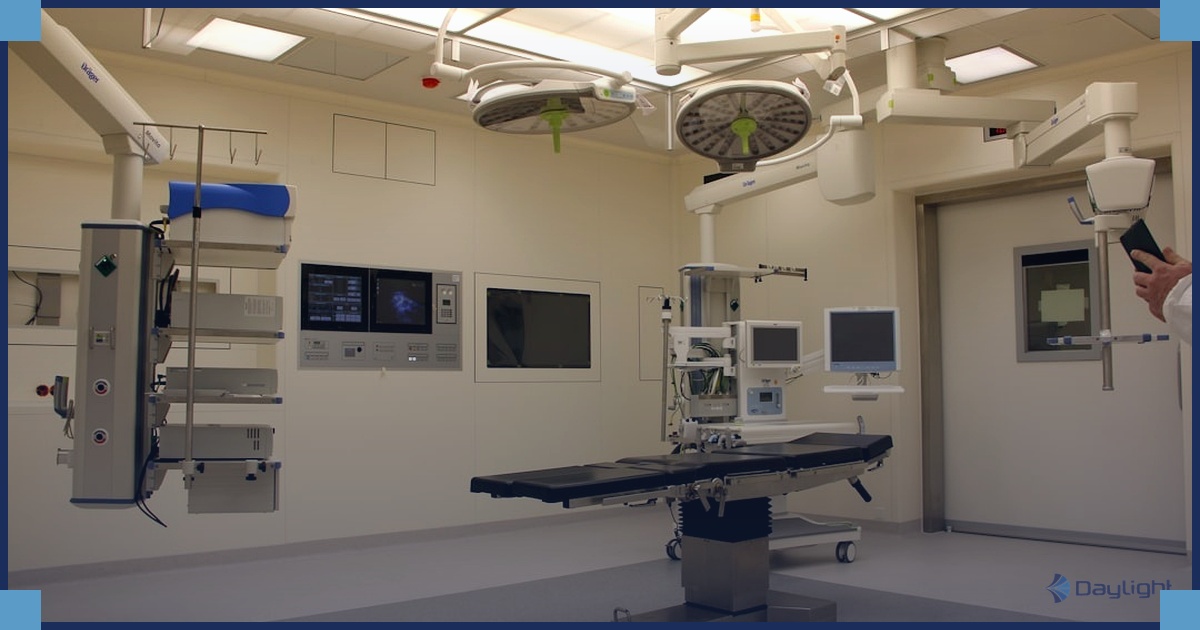
Modern operating rooms rely heavily on integrated technology systems. Choose surgical lights that can seamlessly integrate with existing OR management systems, camera systems, and other medical equipment.
Consider lights with built-in cameras, recording capabilities, or wireless connectivity options that enhance documentation and teaching opportunities. Integration capabilities can significantly improve workflow efficiency and procedural outcomes.
Energy Efficiency and Maintenance Requirements
LED surgical lights offer superior energy efficiency compared to traditional lighting systems, reducing operational costs and environmental impact. Evaluate the expected lifespan of LED components, typically ranging from 50,000 to 100,000 hours of operation.
Consider maintenance requirements, including ease of component replacement, availability of spare parts, and service support from the manufacturer. Lower maintenance requirements translate to reduced downtime and operational costs.
Safety Standards and Certifications
Ensure that surgical ceiling lights comply with relevant international safety standards such as IEC 60601-2-41 for medical electrical equipment. Look for certifications from recognized bodies like CE marking, FDA approval, or other regional regulatory requirements.
Safety features should include backup power capabilities, emergency lighting modes, and fail-safe mechanisms that prevent sudden light failure during critical procedures.
![]()
Budget Considerations and Return on Investment
While initial cost is important, consider the total cost of ownership including energy consumption, maintenance requirements, and expected lifespan. High-quality surgical lights may require larger upfront investments but often provide better long-term value through improved efficiency and durability.
Factor in potential productivity improvements, reduced energy costs, and enhanced surgical outcomes when evaluating return on investment.
Your Questions & Suggestions
We'd love to hear from your experience with surgical lighting systems! What features have you found most valuable in your operating room setup? Have you encountered any unexpected challenges when implementing new surgical ceiling lights? Do you have specific recommendations for healthcare facilities considering upgrading their surgical lighting equipment? Please share your insights and suggestions in the comments below to help other healthcare professionals make informed decisions.