بۆچی دووپاتی لە سیستەمەکانی گازی پزیشکیدا دانوستان-هەڵنەگرە
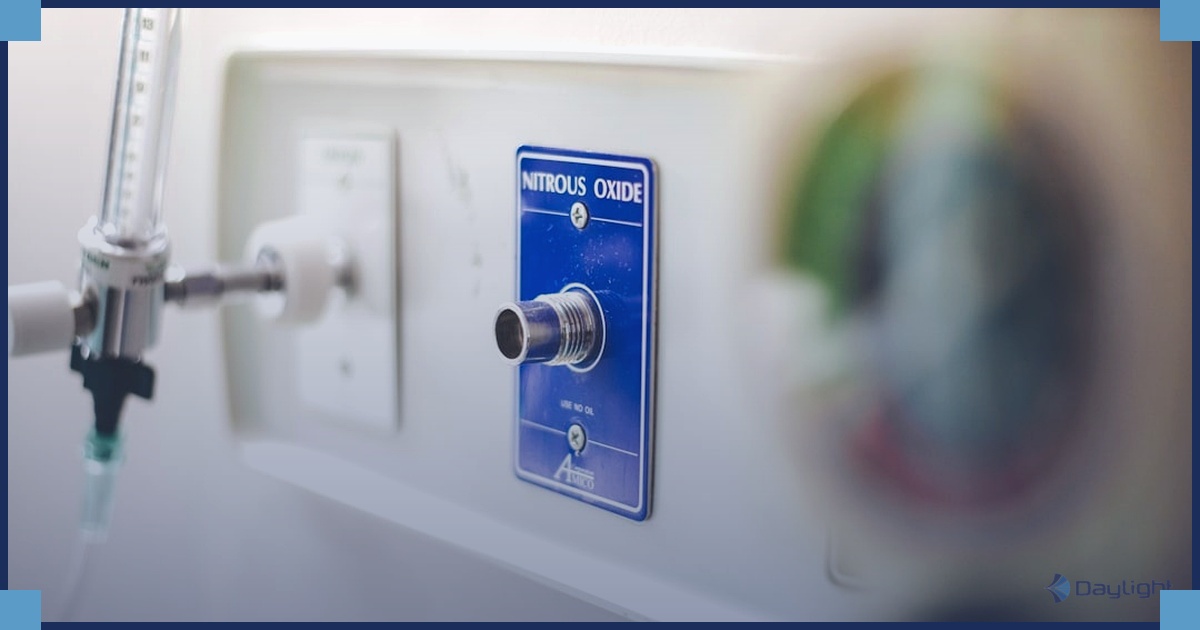
لە هەر دامەزراوەیەکی تەندروستیدا، ئۆکسجین بە قەد کارەبا بنەڕەتییە. یەک خاڵی شکست لە ژێرخانی سیستەمەکانی گازی پزیشکیدا دەتوانێت نەخۆشانی سەر ئامێری پاراستنی ژیان، تیمەکانی نەشتەرگەری و یەکەکانی تازە-لەدایکبووان بخاتە مەترسی دەستبەجێ. لەبەر ئەوەیە ئەندازیاران و بەڕێوەبەرانی نەخۆشخانە دەبێت مامەڵە لەگەڵ گەیاندنی ئۆکسجیندا نەک وەک خزمەتگوزارییەک، بەڵکو وەک سیستەمێکی ژیان-هەستیار بکەن کە پلاندانانی وردی دووپاتی دەخوازێت.
دووپاتی واتە دیزاینکردنی چینەکانی یەدەگ بە شێوەیەک کە کاتێک پێکهاتەیەک شکست دەهێنێت — و پێکهاتەکان شکست دەهێنن — سیستەمەکە بە شێوەی ئۆتۆماتیکی بەبێ پچڕان دەگوازێتەوە بۆ سەرچاوەیەکی جێگرەوە. ئەمە هەڵبژاردەیی نییە. ستانداردە نێودەوڵەتییەکان وەک NFPA 99 و HTM 02-01 پێداویستی دیاریکراوی دووپاتی بۆ بۆرییەکانی گازی پزیشکی لە نەخۆشخانەکاندا دەخوازن.
خاڵە سەرەکییەکانی شکست کە هەر دامەزراوەیەک دەبێت چارەسەریان بکات:
- شکستهێنانی سەرچاوەی سەرەکی ئۆکسجین (تانکە گەورەکانی ئۆکسجینی شل یان کۆمەڵە بتڵەکان)
- تێکچوونەکانی ڕێکخستنی پەستان
- دزەکردن یان گیرانی بۆرییەکان
- شکستهێنانی مانیفۆڵد یان دووگمەکانی گۆڕین
- پچڕانی سیستەمەکانی ئاگادارکردنەوە و چاودێری

قووڵبوونەوەی تەکنیکی: چینەکانی سیستەمێکی دووپاتی گەیاندنی ئۆکسجین
دیزاینێکی بەهێزی دووپاتی سیستەمەکانی گازی پزیشکی تەلارسازییەکی قاتبەندیکراو پەیڕەو دەکات. تێگەیشتن لە هەر قاتێک بنەڕەتییە بۆ ئەندازیارانی بایۆمیدیکاڵ و بەرپرسانی کڕین کە بڕیاری ژێرخان دەدەن.
قاتی ١ — دابینکردنی سەرەکی: زۆربەی نەخۆشخانە هاوچەرخەکان پشت بە هەڵگرتنی ئۆکسجینی شلی گەورە (LOX) وەک سەرچاوەی سەرەکی دەبەستن. ئەم تانکانە بە شێوەیەکی ئاسایی دابینکردنی تەواویان تێدایە بۆ ٧ بۆ ٣٠ ڕۆژی کارکردنی بەردەوام بەپێی قەبارەی دامەزراوەکە.
قاتی ٢ — مانیفۆڵدەکانی گۆڕینی ئۆتۆماتیکی: کاتێک سەرچاوە سەرەکییەکە لە ئاستێکی پێش-دیاریکراوی پەستان دادەبەزێت، مانیفۆڵدێکی ئۆتۆماتیکی دەگوازێتەوە بۆ کۆمەڵە بتڵێکی لاوەکی پەستان-بەرز. ئەم گۆڕینە دەبێت لە ماوەی چەند چرکەیەکدا ڕووبدات و دەبێت هیچ دەستێوەردانێکی دەستی نەخوازێت. دووگمە هەوایی یان ئەلیکترۆنییە کارپێکراوەکان ئەمە بە متمانەوە ئەنجام دەدەن.
قاتی ٣ — بتڵەکانی یەدەگی فریاکەوتن: یەدەگێکی تەرخانکراوی فریاکەوتن، بە فیزیکی جیا لە کۆمەڵە لاوەکییەکە، بافەرێکی کۆتایی دابین دەکات. ئەم بتڵانە مۆرکراون و تەنها کاتێک چالاک دەکرێن کە هەم سەرچاوە سەرەکی و هەم لاوەکییەکە بەتاڵ بوون یان لە کار کەوتوون.
قاتی ٤ — دووگمەکانی جیاکردنەوەی ناوچە: لەناو تۆڕی بۆرییەکەدا، دووگمەکانی ناوچە ڕێگە بە تەکنیکاران دەدەن باڵ یان نهۆمە دیاریکراوەکان جیا بکەنەوە بەبێ داخستنی تەواوی سیستەمەکە. ئەمە مەودای کاریگەری هەر شکستێکی ناوچەیی سنووردار دەکات.
قاتی ٥ — چاودێری بەردەوام و ئاگادارکردنەوەکان: گۆڕەرەکانی پەستانی ڕاستەوخۆ و هەستەوەرەکانی لێشاو داتا دەنێرن بۆ پانێڵێکی ناوەندی ئاگادارکردنەوە. دامەزراوە هاوچەرخەکان ئەمە لەگەڵ سیستەمەکانی بەڕێوەبردنی بینا (BMS) یەکدەخەن و ئاگادارییەکان ڕاستەوخۆ دەنێرن بۆ مۆبایلی کارمەندانی ئەندازیاری. ئاستەکانی ئاگادارکردنەوە دەبێت پابەندی ستانداردە ڕێکخراوەییە ناوخۆییەکان بن.
تاقیکردنەوەی بەردەوام بە هەمان ئەندازە هەرە گرنگە. مەشقەکانی گۆڕینی وەرزی، پشکنینەکانی ساڵانەی تەواوەتی بۆری و تاقیکردنەوەکانی دابەزینی پەستان دڵنیایی دەدەن کە هەر پێکهاتەیەکی دووپات بە ڕاستی کار دەکات کاتێک پێویستە. سیستەمێک کە هەرگیز تاقینەکراوەتەوە یەدەگ نییە — هەستێکی درۆیینی دڵنیاییە.

باشترین ڕێوشوێنەکان بۆ جێبەجێکردن و چاککردنەوە
دیزاینکردنی سیستەمەکە تەنها نیوەی شەڕەکەیە. متمانەپێکراوی بەردەوام ڕێوشوێنی کارکردنی بە-دیسیپلین دەخوازێت:
- کارمەندانی بایۆمیدیکاڵ و دامەزراوەکان لانیکەم دوو جار لە ساڵدا لەسەر ڕێوشوێنەکانی گۆڕینی فریاکەوتن ڕابهێنە
- پێش داواکردنەوە کەمترین ئاستی یەدەگی ٣٠٪ لە هەموو تانکەکانی هەڵگرتندا ڕابگرە
- هەموو ناوچەکانی بۆری بە ڕوونی ناولێبنێ و نەخشە نوێکراوەکانی وەک-دروستکراو بەردەست ڕابگرە
- لەگەڵ فرۆشیارە بڕوانامەدارەکانی گازی پزیشکیدا هاوبەشی بکە بۆ گرێبەستەکانی چاککردنەوەی پێشگیرانە
- هەر دوو بۆ سێ ساڵ جارێک وردبینی سەربەخۆی لایەنی سێیەم ئەنجام بدە
وەبەرهێنان لە دووپاتیدا ئەمڕۆ ڕێگری لە شکستە کارەساتبارەکانی سبەینێ دەکات. ئەو نەخۆشخانانەی مامەڵە لەگەڵ ژێرخانی سیستەمەکانی گازی پزیشکییان وەک سیستەمێکی زیندوو، تاقیکراوە و بەردەوام باشترکراو دەکەن، بە بەردەوامی دەرئەنجامی سەلامەتتری نەخۆش دابین دەکەن.
پرسیار و پێشنیارەکانتان
حەز دەکەین لێتان ببیستین! دیزاینکردن و چاککردنەوەی سیستەمە متمانەپێکراوەکانی ئۆکسجین ئاستەنگێکی هاوبەشە لە سەرتاسەری پیشەسازی تەندروستیدا، و بینینەکانتان گرنگن.
- چ ئاستەنگێکی دووپاتیتان بەرکەوتووە لە ژێرخانی گازی پزیشکی دامەزراوەکەتاندا؟
- ئایا ئامرازی چاودێری ئۆتۆماتیکیتان جێبەجێ کردووە کە متمانەپێکراوی سیستەمەکەتانی بە شێوەیەکی بەرچاو باشتر کردبێت؟
- ئایا ئامۆژگاری یان وانەی فێربووتان هەیە لە ڕووداوێکی ڕاستەقینەی گۆڕینەوە کە بتوانێت یارمەتی ئەندازیارانی بایۆمیدیکاڵی تر بدات؟
بیروڕا، ئەزموون یان پرسیارەکانتان لە بەشی کۆمێنتەکانی خوارەوە بنووسن. زانیارییەکەتان دەتوانێت یارمەتی دامەزراوەیەکی تر بدات ڕێگری لە شکستێکی هەستیار بکات — و لە پرۆسەکەدا ژیان ڕزگار بکات!