What Is an Integrated Operating Room?
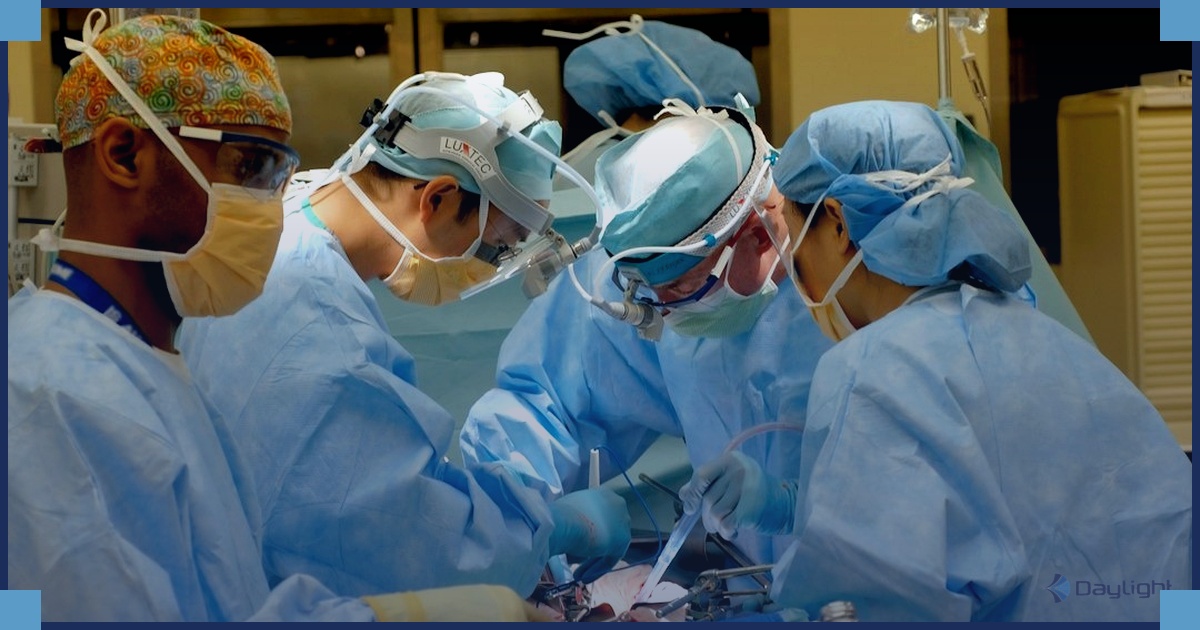
An integrated operating room combines advanced imaging systems, surgical robotics, and digital connectivity into a single, unified environment. Unlike traditional setups, these hybrid spaces allow surgeons to perform complex procedures — such as cardiovascular interventions and neurosurgery — while accessing real-time imaging without moving the patient. As a leading technology trend in modern healthcare, integrated ORs represent one of the most significant shifts in how hospitals design and equip their surgical suites.
The term "hybrid OR" typically refers to a room that merges the capabilities of a standard operating theater with high-resolution imaging equipment such as fluoroscopy, MRI, or CT scanners. Image-guided surgery takes this further by using live imaging data to navigate instruments with pinpoint accuracy, reducing the risk of human error and improving patient outcomes.

The Core Components and Costs of Operating Theater Equipments
Outfitting a hybrid OR requires a significant capital commitment. Key operating theater equipments in an integrated setup typically include:
- Fixed or mobile C-arm fluoroscopy systems for real-time X-ray guidance
- Intraoperative MRI or CT scanners for soft-tissue imaging during brain or spinal procedures
- Surgical navigation platforms that track instrument position in three-dimensional space
- Integrated video and data management systems for recording, sharing, and analyzing surgical workflows
- Specialized OR tables compatible with imaging equipment and robotic arms
The total investment for a fully equipped hybrid OR can range from $3 million to over $10 million, depending on the imaging modalities selected and the level of system integration. Annual maintenance contracts and software licensing add ongoing operational costs that administrators must factor into long-term budget planning.

When Does the Investment Make Financial and Clinical Sense?
Not every hospital needs a hybrid OR. The business case depends on case volume, specialty mix, and strategic goals. Here are the key factors that justify the investment:
- High procedural volume: Facilities performing a large number of vascular, cardiac, or complex spine cases generate enough throughput to offset capital costs within a realistic timeframe.
- Reduced revision rates: Image-guided surgery lowers the likelihood of incomplete tumor resections or misplaced implants, cutting costly re-operations and improving reimbursement outcomes.
- Shorter operative times: Real-time imaging reduces intraoperative uncertainty, which translates directly into faster procedures and higher OR utilization rates.
- Competitive differentiation: As a defining technology trend, integrated ORs attract high-acuity referrals and specialized surgical talent that elevate a hospital's regional standing.
- Reduced patient transfers: Performing imaging and intervention in the same room eliminates the risk and cost of moving critically ill patients between departments.
Smaller community hospitals with lower specialty volumes may find that portable image-guided navigation systems or modular integration solutions deliver a comparable clinical benefit at a fraction of the cost. A phased approach — starting with integrated video management and expanding to intraoperative imaging — allows institutions to build capability while managing capital exposure.
Planning for Long-Term Success
Successful deployment requires more than purchasing equipment. Hospitals must invest in staff training, workflow redesign, and ongoing technical support. Engaging surgical teams early in the planning process ensures that the room layout and equipment selection align with actual clinical needs. Partnerships with equipment vendors who offer comprehensive service agreements and regular software updates are equally important for sustaining performance over time.
Regulatory compliance and radiation safety planning are non-negotiable in rooms that house fluoroscopy or CT systems. Structural modifications — including shielding, reinforced flooring, and enhanced HVAC — must be incorporated into the construction budget from the outset.
Integrated operating rooms represent a compelling opportunity for institutions ready to lead in complex surgical care. By carefully evaluating case volume, clinical outcomes data, and total cost of ownership, hospital leaders can determine whether hybrid and image-guided surgery will deliver lasting value — for their patients, their surgeons, and their bottom line.