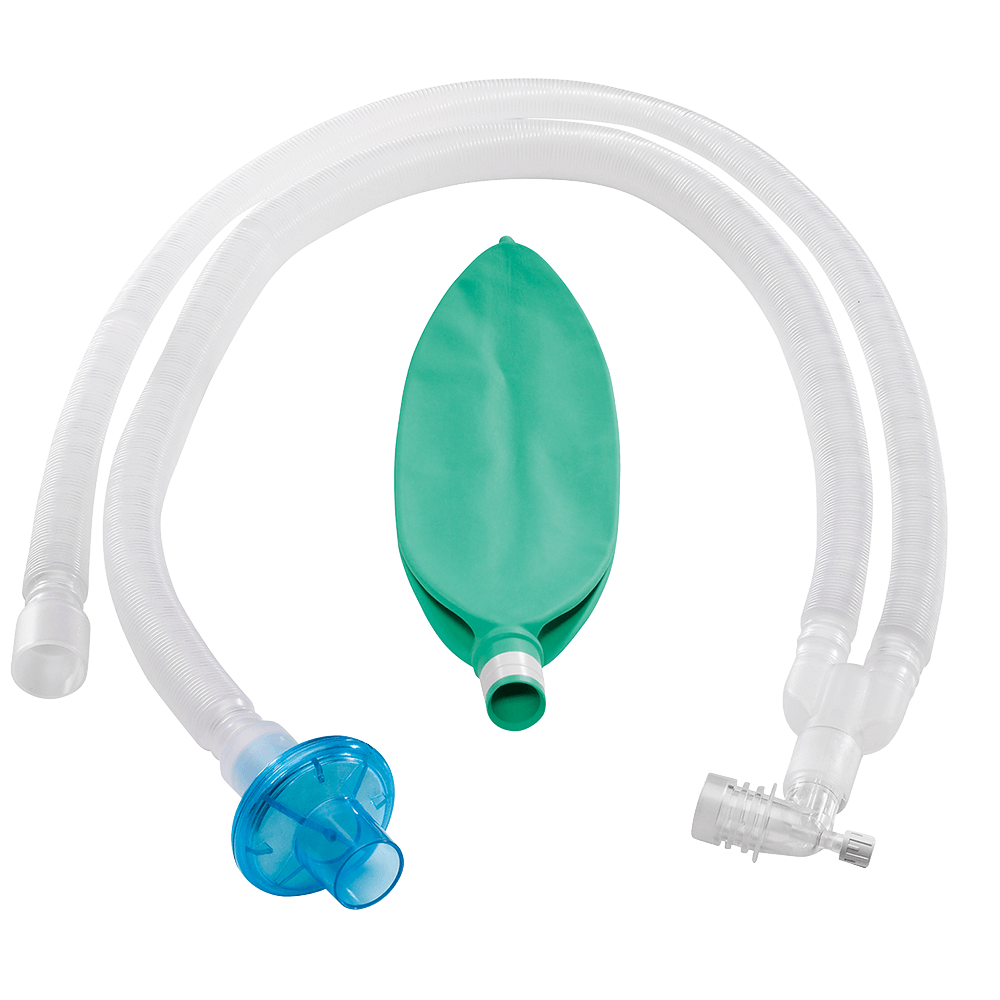
Breathing circuits serve as the vital connection between patients and ventilator systems, making their proper selection and maintenance crucial for patient safety and optimal respiratory care. Understanding the key principles behind breathing circuit selection and exchange protocols ensures healthcare providers deliver the highest standard of care while minimizing infection risks.
Understanding Breathing Circuit Types and Selection
Healthcare facilities must choose breathing circuits based on specific patient needs, ventilator compatibility, and clinical requirements. Single-use disposable circuits dominate modern practice due to their superior infection control benefits and consistent performance standards.
Consider these critical factors when selecting a breathing circuit:
- Patient age and size requirements
- Ventilator compatibility specifications
- Circuit length and dead space considerations
- Humidification system integration
- Material composition and latex sensitivity
Adult circuits typically feature 22mm connectors and longer tubing lengths, while pediatric versions use smaller diameters to reduce dead space. Neonatal circuits require even more precise specifications to accommodate tiny lung volumes and minimize respiratory work.

Exchange Protocol Best Practices
Proper breathing circuit exchange protocols protect patients from healthcare-associated infections while maintaining ventilator performance. Most healthcare facilities follow evidence-based guidelines that prioritize patient safety over arbitrary time schedules.
Current best practice recommendations include:
- Change circuits only when visibly soiled or malfunctioning
- Replace circuits between different patients without exception
- Monitor for condensation buildup and address promptly
- Inspect connections and components during routine assessments
- Document all circuit changes and reasons for replacement
Research shows that routine daily circuit changes offer no infection control advantages over extended use protocols. This evidence-based approach reduces costs while maintaining patient safety standards.

Ventilator Accessories Integration
Modern breathing circuits work in conjunction with various ventilator accessories to optimize patient care. Heat and moisture exchangers (HMEs), bacterial filters, and monitoring sensors integrate seamlessly with properly selected circuits.
Common ventilator accessories include:
- Humidification systems for airway moisture control
- Bacterial and viral filters for infection prevention
- Pressure monitoring lines for accurate readings
- Sampling ports for capnography and gas analysis
- Water traps to prevent circuit flooding
These accessories enhance circuit functionality while maintaining the sterile pathway between ventilator and patient. Proper integration requires understanding compatibility requirements and following manufacturer guidelines.
Quality Assurance and Safety Considerations
Healthcare teams must implement comprehensive quality assurance measures for breathing circuit management. Regular staff training ensures consistent application of selection criteria and exchange protocols across all departments.
Key safety measures include:
- Verify circuit integrity before patient connection
- Ensure proper humidification system function
- Monitor for leaks and connection security
- Maintain sterile technique during circuit handling
- Follow institutional policies for circuit disposal
Documentation plays a crucial role in quality assurance, providing accountability and supporting continuous improvement initiatives. Track circuit performance data to identify trends and optimize selection protocols.
Your Questions & Suggestions
We'd love to hear about your experiences with breathing circuit selection and management. Your insights help our community learn from real-world applications and challenges.
What factors do you prioritize most when selecting breathing circuits for different patient populations? Have you encountered any challenges with specific ventilator accessories integration? Do you have any practical tips for maintaining circuit quality and safety standards in your facility?
Please share your experiences, suggestions, or questions in the comments below. Your contributions help fellow healthcare professionals improve patient care and safety outcomes.