The Operation Theater Room stands as the heart of any medical facility, where life-saving procedures unfold daily. These specialized spaces require meticulous planning, cutting-edge equipment, and stringent protocols to ensure optimal patient outcomes and surgical success.
Critical Components of an Operation Theater Room
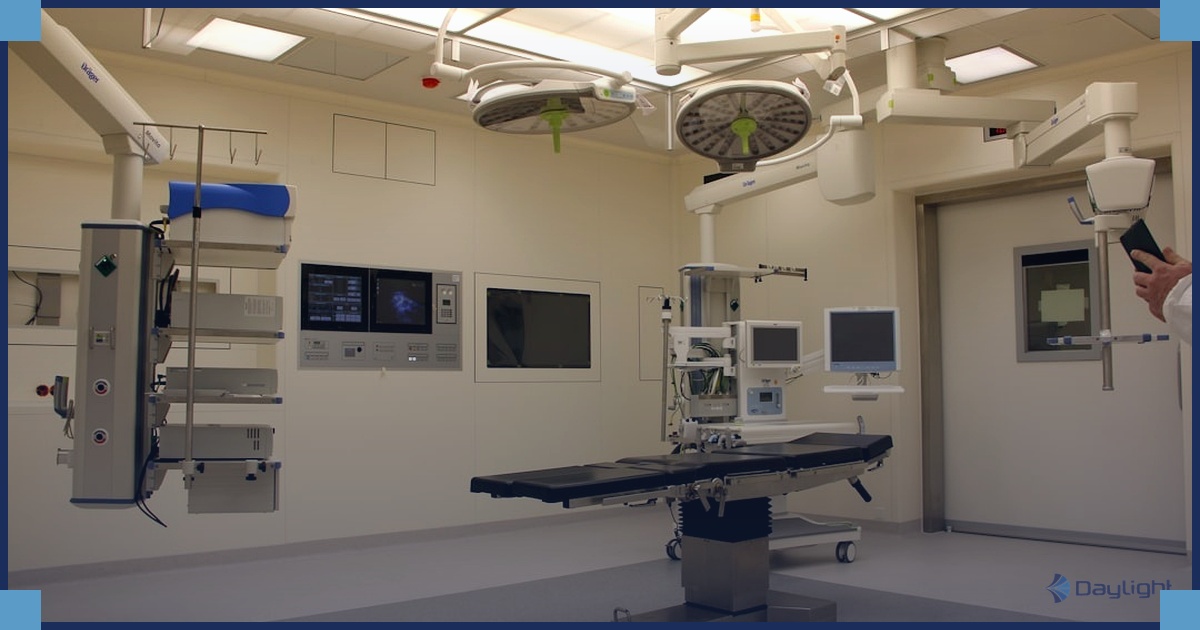
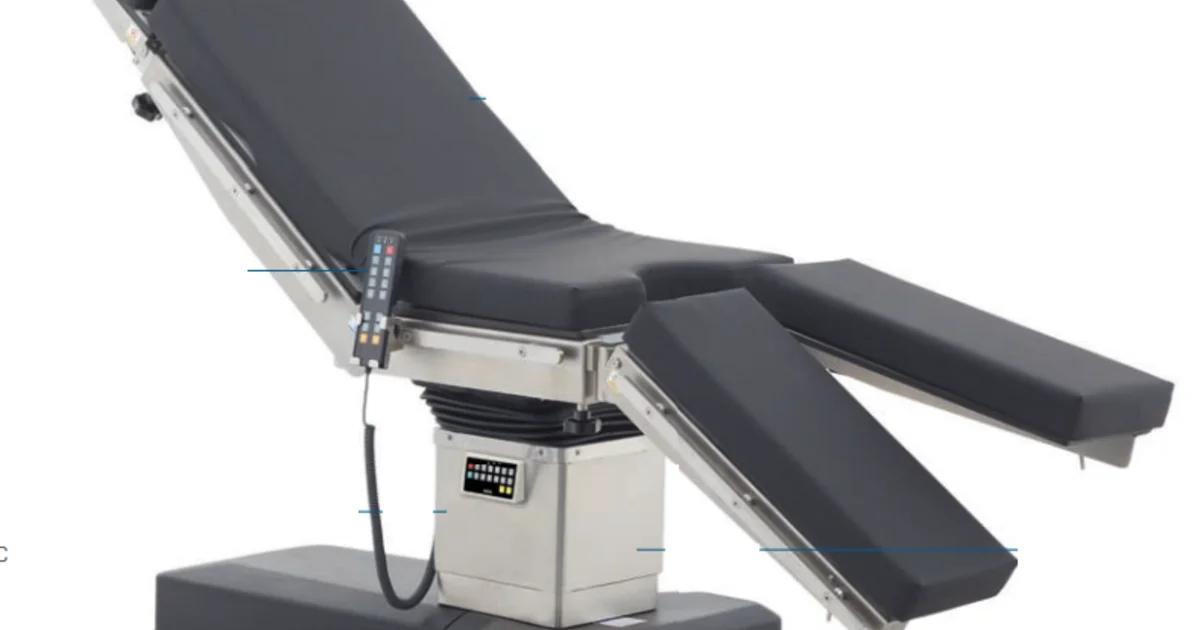
A well-designed Operation Theater Room incorporates several essential elements that work together seamlessly. The surgical table serves as the centerpiece, featuring adjustable height and positioning capabilities to accommodate various procedures. Advanced lighting systems provide shadow-free illumination, while anesthesia machines monitor and maintain patient vital signs throughout surgery.
Air filtration systems maintain sterile environments by controlling temperature, humidity, and particulate matter. These systems typically include HEPA filters that remove 99.97% of airborne contaminants, creating a positive pressure environment that prevents external contamination.
Technology Integration in Modern Operating Rooms
Today's Operation Theater Room features sophisticated technology that enhances surgical precision and patient safety. Digital imaging systems allow surgeons to view real-time X-rays, CT scans, and MRI results during procedures. Robotic surgical systems provide enhanced dexterity and precision for minimally invasive operations.
Communication systems enable seamless coordination between surgical teams, while electronic monitoring devices track patient vitals continuously. These technological advances significantly reduce surgical complications and improve recovery times.
Design Considerations for Optimal Functionality
Effective Operation Theater Room design prioritizes workflow efficiency and infection control. Smooth, non-porous surfaces facilitate easy cleaning and sterilization. Strategic placement of equipment reduces unnecessary movement during procedures, while adequate space allocation prevents overcrowding.
- Maintain clear pathways for emergency access
- Position equipment for easy reach without contamination risks
- Install backup power systems for critical equipment
- Ensure proper ventilation and air circulation patterns
Safety Protocols and Standards
Every Operation Theater Room must comply with strict safety regulations and medical standards. Regular equipment calibration ensures accurate readings and reliable performance. Staff training programs maintain competency in emergency procedures and equipment operation.
Infection control protocols include proper sterilization procedures, personal protective equipment usage, and environmental cleaning standards. These measures protect both patients and healthcare workers from potential contamination.
Maintenance and Quality Assurance
Preventive maintenance programs keep Operation Theater Room equipment functioning at peak performance. Regular inspections identify potential issues before they compromise patient safety or surgical outcomes. Quality assurance protocols verify that all systems meet established standards and regulatory requirements.
Documentation of maintenance activities and equipment performance provides valuable data for continuous improvement initiatives. This systematic approach ensures long-term reliability and cost-effectiveness.
Future Trends in Operating Room Design
The Operation Theater Room continues evolving with emerging technologies and changing surgical practices. Integration of artificial intelligence assists in surgical planning and decision-making. Virtual reality systems provide enhanced training opportunities for medical professionals.
Modular design concepts allow for flexible reconfiguration based on specific procedural requirements. These adaptable spaces maximize efficiency while accommodating diverse surgical specialties.
Investing in a properly equipped and designed Operation Theater Room ensures optimal patient care and surgical success. Healthcare facilities must balance technological advancement with practical functionality to create environments that support excellence in surgical medicine.