ژووری نەشتەرگەری وەک گرنگترین شوێن لە هەر دامەزراوەیەکی پزیشکیدا دەوەستێت، کە ڕۆژانە نەشتەرگەرییە ژیانڕزگارکەرەکانی تێدا ئەنجام دەدرێن. ئەم ژینگە ستێریلە وردبینی لە دیزاین، هەڵبژاردنی ئامێر و چاککردنەوەدا دەخوازێت بۆ مسۆگەرکردنی باشترین دەرئەنجام بۆ نەخۆش و سەرکەوتنی نەشتەرگەری.
پێکهاتە سەرەکییەکانی ژووری نەشتەرگەری هاوچەرخ
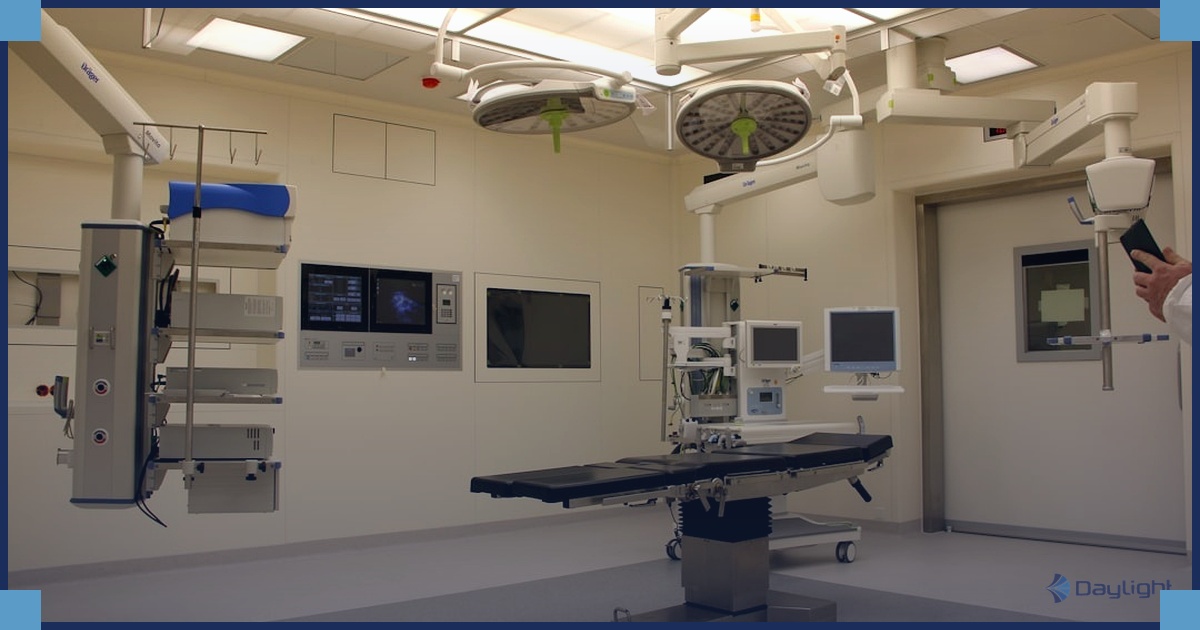
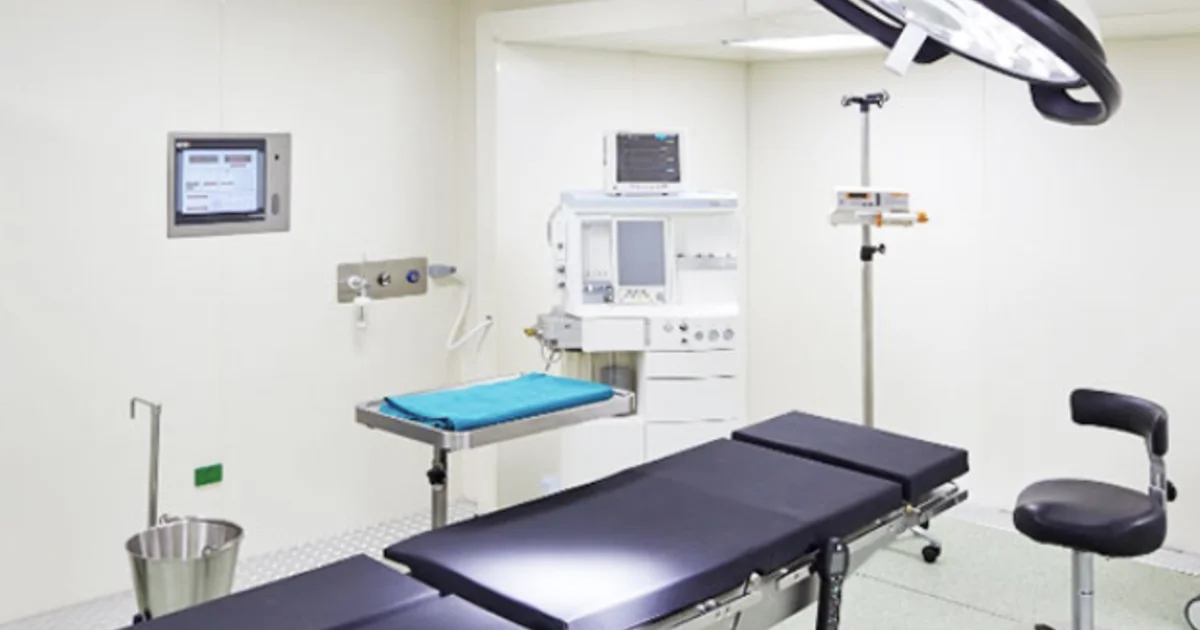
هەر ژوورێکی نەشتەرگەری پێویستی بە ئامێری بە وردی هەڵبژێردراوە کە ستانداردە توندەکانی پزیشکی بهێنێتەدی. مێزی نەشتەرگەری وەک ناوەندی ژوورەکە خزمەت دەکات و بۆ نەشتەرگەرییە جۆراوجۆرەکان جێگیرکردنی گونجاو دابین دەکات. سیستەمە پێشکەوتووەکانی ڕووناکی بواری نەشتەرگەری بە ڕووناکییەکی بێسێبەر و ڕەنگ-دروست ڕۆشن دەکەنەوە کە نەشتەرگەران بۆ کاری ورد پشتی پێدەبەستن.
ئامێرەکانی بێهۆشکردن نیشانە ژیانییەکانی نەخۆش لە ماوەی نەشتەرگەریدا چاودێری دەکەن و ڕایاندەگرن. ئەم ئامێرە پێشکەوتووانە هەناسەدان ڕێک دەخەن، لێدانی دڵ بەدواداچوون دەکەن و دڵنیایی لە ئاستی گونجاوی بێهۆشی دەدەن. یەکە هاوچەرخەکان چەندین توانای چاودێری لە ڕووکارێکی سادەدا کۆدەکەنەوە کە پزیشکانی بێهۆشکردن دەتوانن بە کارایی بەکاریان بهێنن.
یەکەکانی نەشتەرگەری کارەبایی بڕین و سووتاندنی ورد لە کاتی نەشتەرگەریدا دەکەنە شتێکی مومکین. ئەم ئامێرانە لێشاوی کارەبایی لەرەلەرزی-بەرز بەکاردەهێنن بۆ ئەنجامدانی کاری ناسکی شانەکان لەگەڵ کەمکردنەوەی خوێنبەربوون. نەشتەرگەران بۆ نەشتەرگەرییەکان، لە دەرچوونە سادەکانەوە تا چاندنی ئۆرگانە ئاڵۆزەکان، پشت بەم ئامرازانە دەبەستن.
سیستەمەکانی کۆنترۆڵی ژینگە
ژوورەکانی نەشتەرگەری ستانداردی توندی ژینگەیی ڕادەگرن کە نەخۆشان و کارمەندانی پزیشکی دەپارێزن. سیستەمە پێشکەوتووەکانی HVAC هەوا بە بەردەوامی پاڵێو دەکەن، پیسکەرەکان لادەبەن و پەستانی ئەرێنی ڕادەگرن بۆ ڕێگریکردن لە چوونەژوورەوەی پیسکەرە دەرەکییەکان.
سیستەمەکانی کۆنترۆڵی پلەی گەرمی ژوورەکانی نەشتەرگەری لە ئاستی گونجاودا ڕادەگرن، بە شێوەیەکی ئاسایی لە نێوان ٦٨-٧٥ پلەی فارەنهایت (٢٠-٢٤ سیلیزی). ئەم مەودایە ئاسوودەیی نەخۆش مسۆگەر دەکات و لە هەمان کاتدا ڕێگری لە گەرمبوونی زیادەی ئامێرەکان دەکات. کۆنترۆڵی شێ ئاستەکان لە نێوان ٣٠-٦٠٪ ڕادەگرێت بۆ کەمکردنەوەی کارەبای نەگۆڕ و گەشەی بەکتریا.
ماددە تایبەتەکانی زەوی بەرگری بەرامبەر کیمیاوییەکان دەکەن، ڕووی دژە-خلیسک دابین دەکەن و ستێریلکردنی ئاسان لە نێوان نەشتەرگەرییەکاندا ڕێگە پێدەدەن. داپۆشەری دیوارەکان لە ماددەی بێکون دروستکراون کە بەرگەی خاوێنکردنەوەی دووبارە بە پاککەرەوە بەهێزەکان دەگرن.
ئامێرەکانی سەلامەتی و ستێریلکردن
ئامێرەکانی ستێریلکردن دڵنیایی دەدەن کە هەموو ئامرازەکانی نەشتەرگەری ستانداردەکانی کۆنترۆڵی تووشبوون دەهێننەدی. ئۆتۆکلەیڤەکان هەڵمی پەستان-بەرز بەکاردەهێنن بۆ لەناوبردنی میکرۆبەکان لە ئامرازە دووبارە بەکارهێنراوەکان. سیستەمەکانی ستێریلکردنی UV پاککردنەوەی زیادە بۆ ڕووەکان و ئامێرەکان لە نێوان نەشتەرگەرییەکاندا دابین دەکەن.
ئامێرەکانی فریاکەوتن دیفیبریلەیتەر، عەرەبانەی فریاکەوتن و سیستەمەکانی کارەبای یەدەگ لەخۆدەگرن. ئەم پێکهاتە گرنگانە توانای وەڵامدانەوەی دەستبەجێ دابین دەکەن ئەگەر لە کاتی نەشتەرگەریدا ئاڵۆزی ڕوویدا. سیستەمە دووپاتەکان کارکردنی بەردەوام مسۆگەر دەکەن تەنانەت لە کاتی پچڕانی کارەبا یان شکستهێنانی ئامێرەکانیشدا.
یەکخستنی تەکنەلۆژیا لە ژوورە هاوچەرخەکاندا
ژوورەکانی نەشتەرگەری هاوچەرخ سیستەمە پێشکەوتووەکانی وێنەگرتن لەخۆدەگرن کە بینینی ڕاستەوخۆ لە کاتی نەشتەرگەریدا دابین دەکەن. شاشە دیجیتاڵییەکان ڕێگە بە تیمەکانی نەشتەرگەری دەدەن هاوکات سکانی نەخۆش، نیشانە ژیانییەکان و ڕێنمایی نەشتەرگەری ببینن.
سیستەمەکانی نەشتەرگەری ڕۆبۆتی نەشتەرگەری کەم-دەستێوەردان بە وردبینییەکی زیاترەوە دەکەنە شتێکی مومکین. ئەم پلاتفۆرمانە جوڵەکانی نەشتەرگەر دەگۆڕن بۆ کۆنترۆڵی زۆر وردی ئامرازەکان، کە زیان بە نەخۆش و کاتی چاکبوونەوە کەم دەکاتەوە.
سیستەمەکانی پەیوەندی تیمەکانی نەشتەرگەری بە پسپۆڕانی دەرەوە و کارمەندانی پشتگیری دەبەستنەوە. پەیوەندی دەنگ و ڤیدیۆی کوالیتی-بەرز ڕاوێژکاری ئاسان دەکەن و ڕێنمایی دوورەدەست لە کاتی نەشتەرگەرییە ئاڵۆزەکاندا دەکەنە شتێکی مومکین.
چاککردنەوە و دڵنیایی کوالیتی
خشتە بەردەوامەکانی چاککردنەوە دڵنیایی دەدەن کە هەموو ئامێرەکان بە متمانەوە کار دەکەن کاتێک پێویستن. بەرنامەکانی چاککردنەوەی پێشگیرانە کێشە شاراوەکان دەدۆزنەوە پێش ئەوەی کاریگەری لەسەر چاودێری نەخۆش دابنێن. تەکنیکارە بڕوانامەدارەکان پشکنین، کالیبراسیۆن و چاککردنەوەی بەردەوام بەپێی تایبەتمەندییەکانی بەرهەمهێنەر ئەنجام دەدەن.
پرۆتۆکۆلەکانی دڵنیایی کوالیتی پشتڕاست دەکەنەوە کە هەموو سیستەمەکان پێداویستییە ڕێکخراوەییەکان و ستانداردەکانی پیشەسازی دەهێننەدی. بەڵگەنامەکان کارایی ئامێرەکان، مێژووی چاککردنەوە و پابەندبوون بە ڕێساکانی سەلامەتی تۆمار دەکەن.
ژووری نەشتەرگەری لووتکەی دیزاینی دامەزراوەی پزیشکی دەنوێنێت، کە تەکنەلۆژیای هەرە نوێ لەگەڵ کارایی پراکتیکی تێکەڵ دەکات بۆ دروستکردنی ژینگەیەک کە پیشەگەرانی پزیشکی بتوانن تێیدا بە متمانە و وردبینییەوە کاری ژیانڕزگارکەر ئەنجام بدەن.