شنو هو التعقيم بالبلازما؟
في عالم الطب الحديث، الحفاظ على نظافة وسلامة الأجهزة الطبية يعتبر من أهم الأولويات اللي ما يمكن التهاون فيها. التعقيم بالبلازما (plasma sterilization) هو واحدة من أحدث وأكثر التقنيات فاعلية في هذا المجال، وداي التقنية بدت تنتشر بشكل واسع في المستشفيات والمراكز الطبية العراقية خلال السنوات الأخيرة.
البلازما هي الحالة الرابعة للمادة بعد الصلب والسائل والغاز، وتتكون من جزيئات مؤينة نشطة جداً تقدر تقتل الجراثيم والبكتيريا والفطريات والفيروسات بشكل فعّال وسريع.
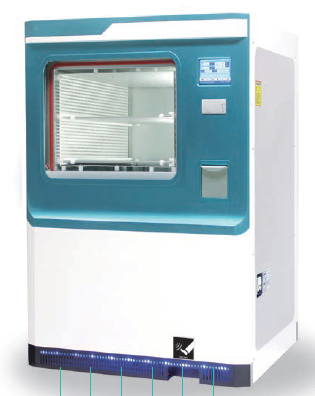
شلون يشتغل نظام التعقيم بالبلازما؟
العملية تعتمد على استخدام بيروكسيد الهيدروجين (H2O2) بتركيزات منخفضة، ويتحول لبخار ويندفع داخل غرفة التعقيم المعقمة. بعدين يُطبَّق مجال كهرومغناطيسي قوي يحوّل هذا البخار إلى بلازما نشطة تدمر جميع الكائنات الدقيقة الضارة على سطح الأجهزة الطبية وبداخلها.
العملية كلها ما تاخذ أكثر من 28 إلى 75 دقيقة حسب نوع الجهاز، وهذا وقت قصير جداً مقارنة بطرق التعقيم التقليدية الأخرى.
مزايا التعقيم بالبلازما للمستشفيات العراقية
من أبرز advantages هذه التقنية اللي تخليها مناسبة جداً للبيئة الطبية في العراق:
- آمنة على الأجهزة الحساسة: تعقيم المناظير والأجهزة الإلكترونية الدقيقة اللي ما تتحمل الحرارة العالية، مثل أجهزة الليزر المستخدمة في مستشفيات بغداد والبصرة.
- لا تخلّف مواد سامة: بعد انتهاء العملية، النواتج الوحيدة هي ماء وأكسجين، مما يجعلها آمنة تماماً للكادر الطبي والمرضى.
- فعالية عالية: تقضي على 99.9999% من الكائنات الدقيقة بما فيها البكتيريا المقاومة للمضادات الحيوية.
- درجة حرارة منخفضة: تعمل بدرجات حرارة تتراوح بين 37 إلى 44 درجة مئوية، مما يحافظ على سلامة الأجهزة الطبية الغالية.
- سرعة الدورة: دورة تعقيم سريعة تساعد المستشفيات المشغولة على تدوير أجهزتها بكفاءة أعلى.
أهمية هذه التقنية في القطاع الطبي العراقي
مع التطور الكبير اللي شهده القطاع الصحي العراقي في السنوات الأخيرة، وافتتاح مستشفيات جديدة ومراكز طبية متخصصة في محافظات مثل أربيل والنجف وكركوك، صار التعقيم بالبلازما ضرورة وموش ترف. الأجهزة الطبية الحديثة اللي تدخل العراق اليوم تحتاج طرق تعقيم متطورة تحافظ عليها وتضمن في نفس الوقت سلامة المرضى.
كذلك، في ظل التحديات اللي تواجهها بعض المستشفيات العراقية من ناحية الموارد، فإن advantages التعقيم بالبلازما من حيث الكفاءة وطول عمر الأجهزة تجعله استثماراً اقتصادياً ذكياً على المدى البعيد.
مقارنة مع طرق التعقيم التقليدية
بالمقارنة مع التعقيم بالبخار (الأوتوكلاف) أو التعقيم بالأشعة، يتميز plasma sterilization بأنه ما يتلف الأجهزة الإلكترونية ولا يترك رطوبة بعد العملية، وهذا مهم جداً للحفاظ على الأجهزة الدقيقة والغالية.