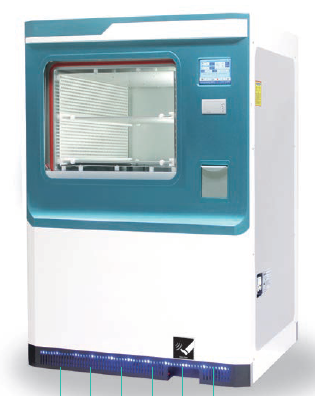
Modern healthcare facilities face increasing pressure to maintain the highest standards of sterilization while improving efficiency and reducing environmental impact. This has led many hospitals to transition from traditional steam sterilization methods to advanced plasma sterilization systems. Understanding the reasons behind this shift reveals why plasma technology represents the future of medical sterilization.
Superior Compatibility with Heat-Sensitive Equipment
Traditional steam sterilization operates at high temperatures that can damage delicate medical instruments. Plasma sterilization systems work at low temperatures, typically between 45-50°C, making them ideal for heat-sensitive equipment such as:
- Electronic surgical instruments
- Flexible endoscopes
- Plastic components
- Advanced diagnostic equipment
- Robotic surgical tools
This compatibility extends the lifespan of expensive medical equipment while ensuring thorough sterilization without compromising functionality.
Faster Cycle Times Improve Workflow
Hospital efficiency depends heavily on instrument turnover rates. Plasma sterilization systems complete full cycles in 28-75 minutes, significantly faster than traditional steam methods that can take several hours including drying time. This rapid processing enables:
- Reduced instrument inventory requirements
- Faster surgical suite turnover
- Improved patient scheduling flexibility
- Lower operational costs
Environmental and Safety Benefits
Plasma sterilization systems offer substantial environmental advantages over traditional methods. They eliminate the need for toxic chemicals like ethylene oxide, which requires extensive aeration periods and poses health risks to staff. Instead, plasma systems use hydrogen peroxide vapor that breaks down into harmless water vapor and oxygen.
This clean process creates a safer working environment for healthcare workers while reducing the hospital's environmental footprint. Staff no longer need to handle hazardous chemicals or worry about toxic residues on medical instruments.
Enhanced Sterilization Efficacy
Plasma technology achieves superior sterilization results through its unique mechanism. The ionized gas creates highly reactive species that effectively eliminate all forms of microbial life, including:
- Bacteria and viruses
- Spores and fungi
- Prions and other challenging pathogens
This comprehensive microbial elimination provides hospital administrators and clinical staff with confidence in their sterilization processes.
Cost-Effective Long-Term Solution
While plasma sterilization systems require higher initial investment, they deliver significant long-term savings. Hospitals benefit from reduced utility costs, lower maintenance requirements, and decreased need for instrument replacement due to heat damage. The elimination of chemical purchasing and disposal costs further improves the financial equation.
Regulatory Compliance and Quality Assurance
Plasma sterilization systems meet stringent regulatory requirements while providing excellent documentation capabilities. Advanced monitoring systems track every cycle parameter, creating comprehensive records that support quality assurance programs and regulatory compliance efforts.
The Future of Hospital Sterilization
As medical technology becomes increasingly sophisticated and hospitals face growing pressure to improve efficiency while reducing environmental impact, plasma sterilization systems represent the logical evolution of sterilization technology. Their combination of effectiveness, speed, safety, and environmental responsibility makes them an attractive choice for forward-thinking healthcare facilities committed to providing the highest quality patient care.